Body system: Kidneys & urinary

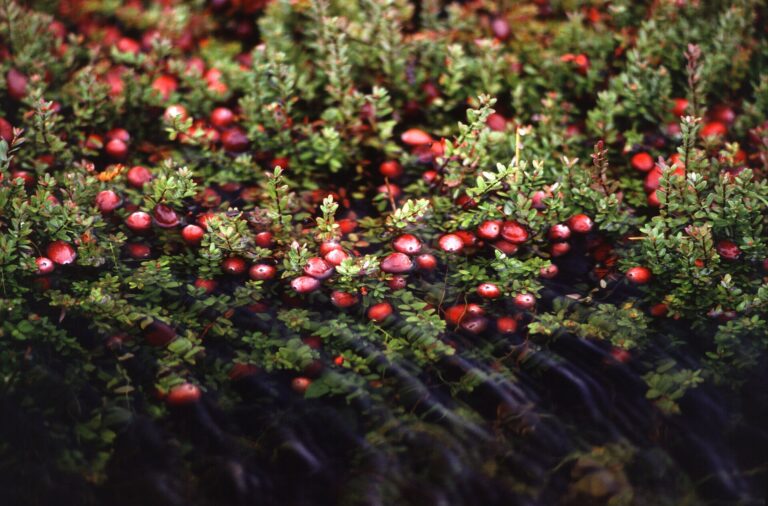
  • Cranberry

    Cranberry is the best-studied urinary food in the library. Here is its Indigenous and folk history, what the 2023 Cochrane review of 50 trials found for repeat bladder infections (and who it did not help), study amounts, and the warfarin and kidney-stone cautions.
    Members-only guide

    The full guide, with how to use it and the safety notes, is in the Remedies Vault.

    See what’s in the Vault

    Already a member? Log in here
  • Uva Ursi

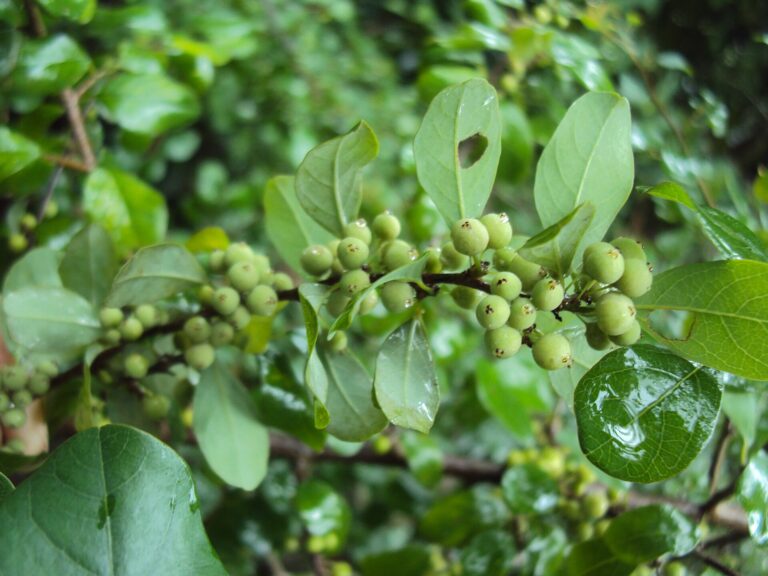
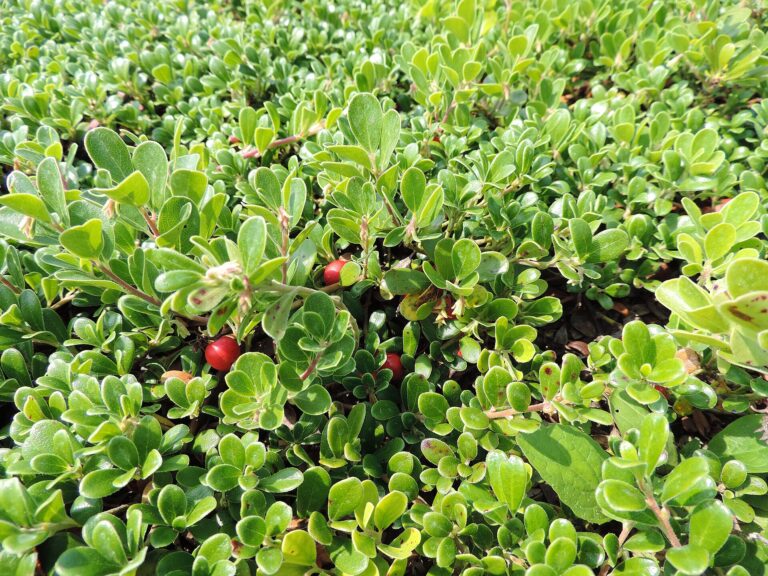
    Uva ursi, or bearberry, is one of the best-known traditional bladder herbs, and one with the strictest limits. Here is its history from Welsh physicians to kinnikinnick, what the EU monograph and a 382-woman trial say, the one-week amounts, and who should not use it.

    Members-only guide

    The full guide, with how to use it and the safety notes, is in the Remedies Vault.

    See what’s in the Vault

    Already a member? Log in here
  • Chanca Piedra

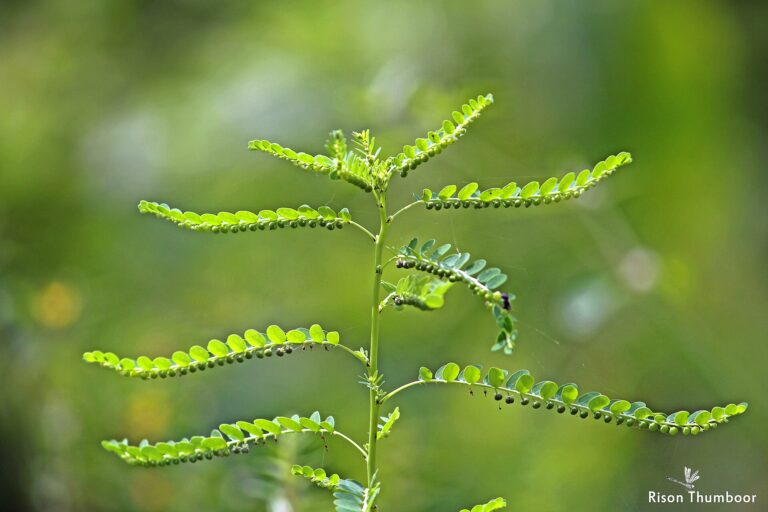
    Chanca piedra, the "stone breaker" herb of Brazil and India, is a popular tea for kidney, urinary and liver support. Here is its history, what the small studies on kidney stones and hepatitis B actually found, typical amounts, and the cautions to know first.

    Members-only guide

    The full guide, with how to use it and the safety notes, is in the Remedies Vault.

    See what’s in the Vault

    Already a member? Log in here
  • Vidari (Indian Kudzu)

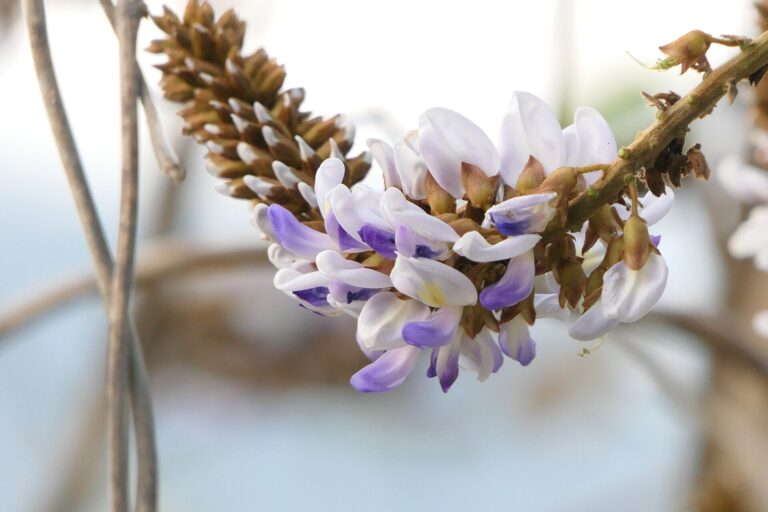
    Vidari is a sweet, cooling Ayurvedic root used as a strength-building rejuvenative, a traditional aid for new mothers' milk, and a pitta-soothing herb in acid-indigestion regimes. Here's what the tradition says, the (mostly animal) research on its isoflavones, why it's often mixed up with other "vidari" roots, and who should skip it.

    Members-only guide

    The full guide, with how to use it and the safety notes, is in the Remedies Vault.

    See what’s in the Vault

    Already a member? Log in here
  • Guggul

    Guggul is the fragrant resin at the heart of Ayurveda's "guggulu" tablets, used for centuries for joints, weight and skin. Here's what the tradition uses it for, why a well-known US trial surprised everyone, and the rash, thyroid and medicine cautions to know first. The tree is also critically endangered, so where it comes from matters.

    Members-only guide

    The full guide, with how to use it and the safety notes, is in the Remedies Vault.

    See what’s in the Vault

    Already a member? Log in here
  • Lingonberry

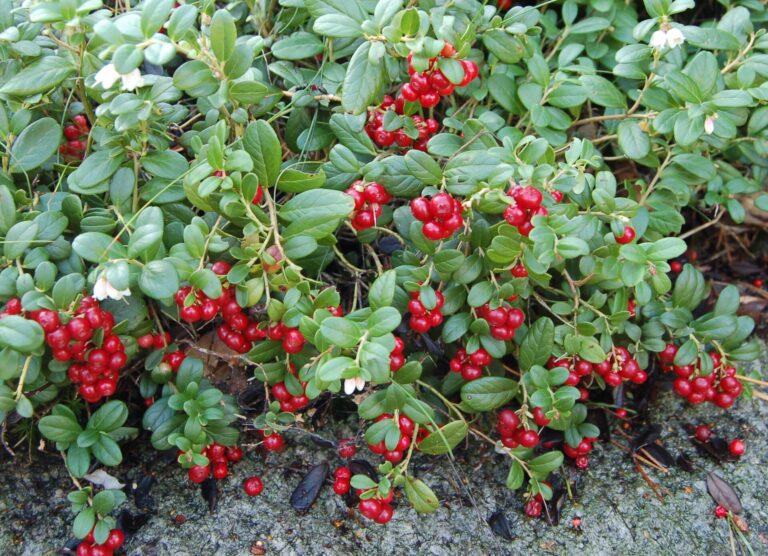
    The tart red berry of Nordic kitchens and Newfoundland "partridgeberry" jam is also a folk urinary remedy, and its juice, blended with cranberry, is in some of the best-known bladder-infection trials. Here's what it's used for, what the studies show, and why the berry and the leaf are two very different safety stories.

    Members-only guide

    The full guide, with how to use it and the safety notes, is in the Remedies Vault.

    See what’s in the Vault

    Already a member? Log in here
  • Celery Seed

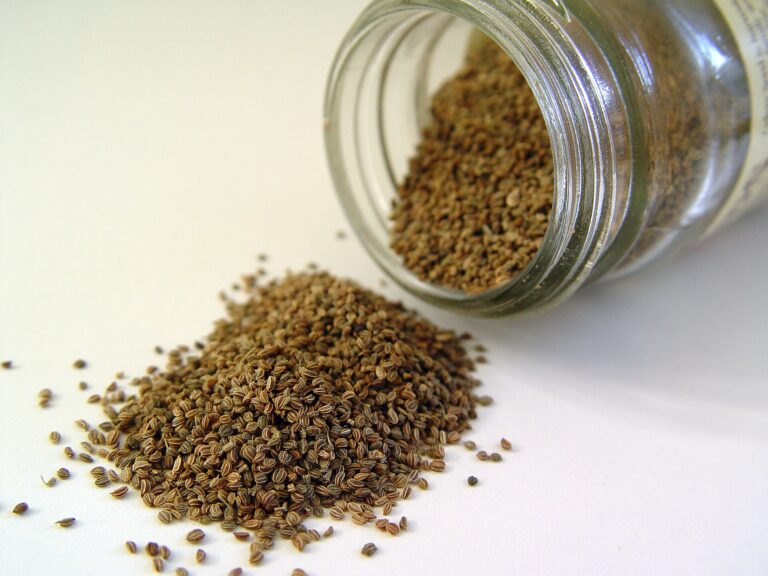
    The tiny seeds of the celery plant were an old European and Middle Eastern remedy for gout, sore joints and sluggish kidneys, and a celery seed extract has now had a small blood-pressure trial. This profile covers what's known, and why celery allergy and pregnancy are the big cautions.

    Members-only guide

    The full guide, with how to use it and the safety notes, is in the Remedies Vault.

    See what’s in the Vault

    Already a member? Log in here
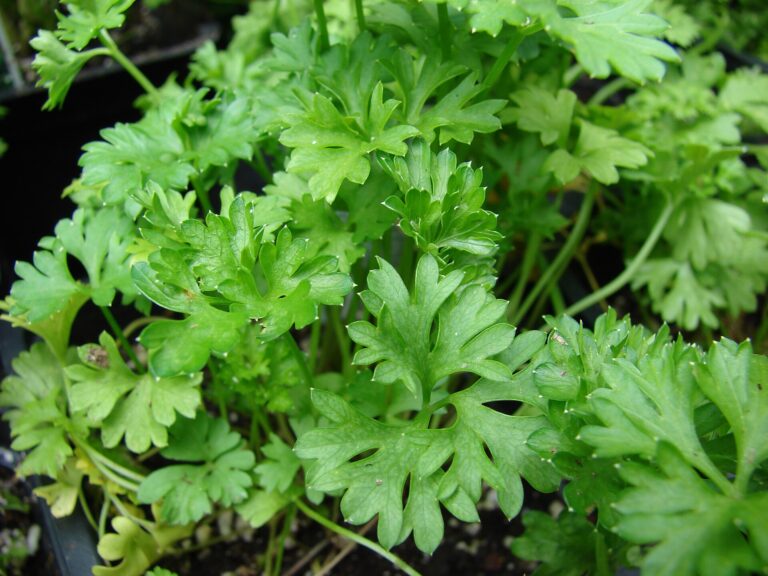
  • Parsley (Herbal Profile)

    The garnish on your plate has a long history as a kitchen herb for the bladder and the belly. This profile covers how traditions used the leaf, root and seed, why the evidence is thin, and why the seed and its oil are a different matter from the leaf.

    Members-only guide

    The full guide, with how to use it and the safety notes, is in the Remedies Vault.

    See what’s in the Vault

    Already a member? Log in here
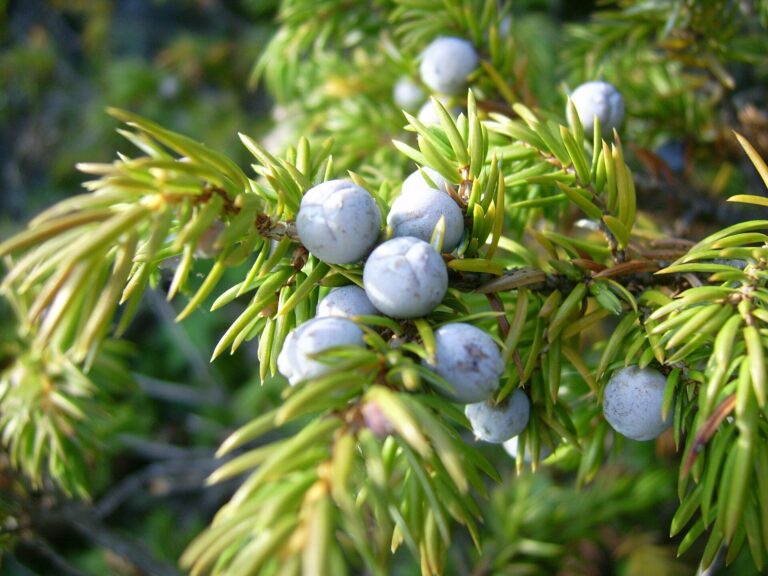
  • Juniper Berry

    The berry that flavours gin has a long second life as a European and North American folk herb for the bladder and the belly. This profile covers how traditions use it, why the evidence is thin, and the clear limits on how long and for whom it's used.

    Members-only guide

    The full guide, with how to use it and the safety notes, is in the Remedies Vault.

    See what’s in the Vault

    Already a member? Log in here
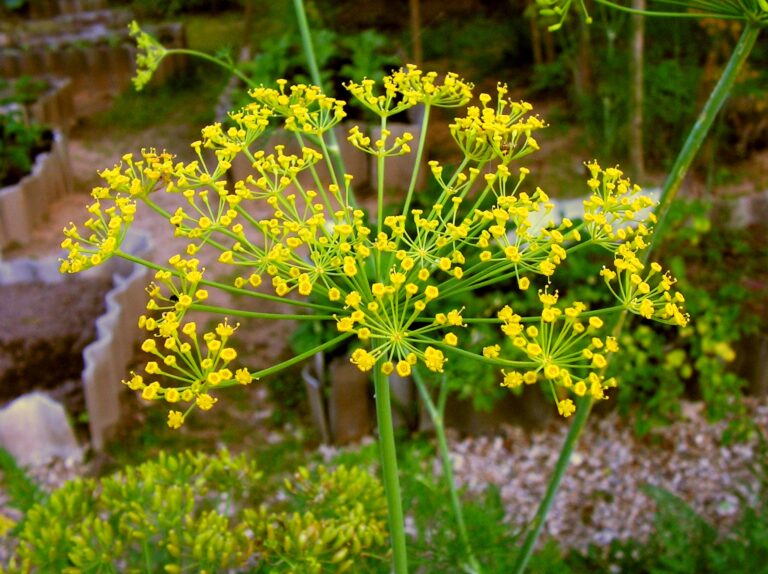
  • Dill

    The feathery pickle herb is also one of the oldest "wind" seeds, brewed after meals, taken in Ayurveda for digestion and breast milk, and used as the original base of gripe water. Members can see what traditions use it for, what small studies show, and who should keep to kitchen amounts.

    Members-only guide

    The full guide, with how to use it and the safety notes, is in the Remedies Vault.

    See what’s in the Vault

    Already a member? Log in here