Body system: Skin

  • Soursop (Graviola)

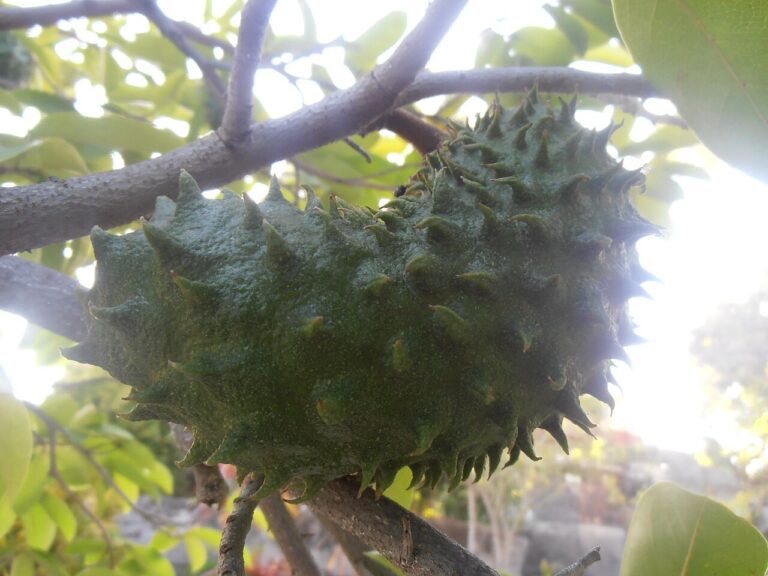
    A tropical fruit tree whose leaves have been brewed as a folk tea across the Caribbean, Latin America and Africa for generations. Here's what tradition says, what the research has (and hasn't) shown, and the safety points every user should know first.
    Members-only guide

    The full guide, with how to use it and the safety notes, is in the Remedies Vault.

    See what’s in the Vault

    Already a member? Log in here
  • Sea Moss (Irish Moss)

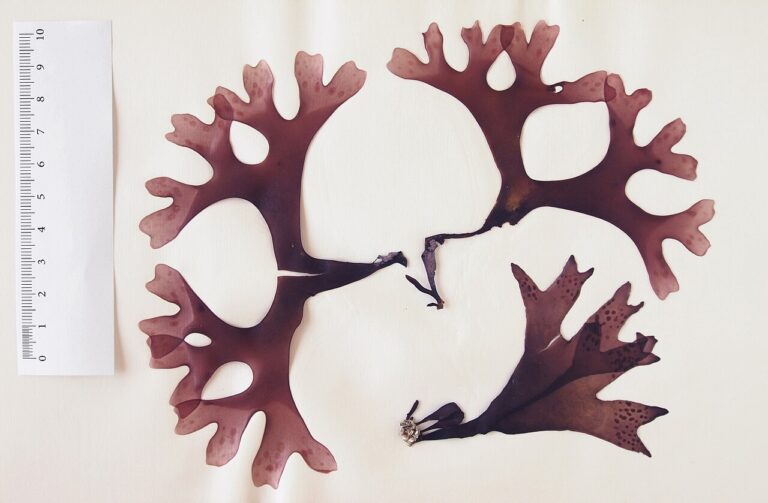
    A red seaweed from rocky North Atlantic shores that Irish families boiled into a soothing drink for coughs and colds, and that Caribbean kitchens turned into a thick, spiced milk drink for strength. Today it's a popular gel and gummy sold as a mineral-rich "superfood".

    Members-only guide

    The full guide, with how to use it and the safety notes, is in the Remedies Vault.

    See what’s in the Vault

    Already a member? Log in here
  • Gotu Kola

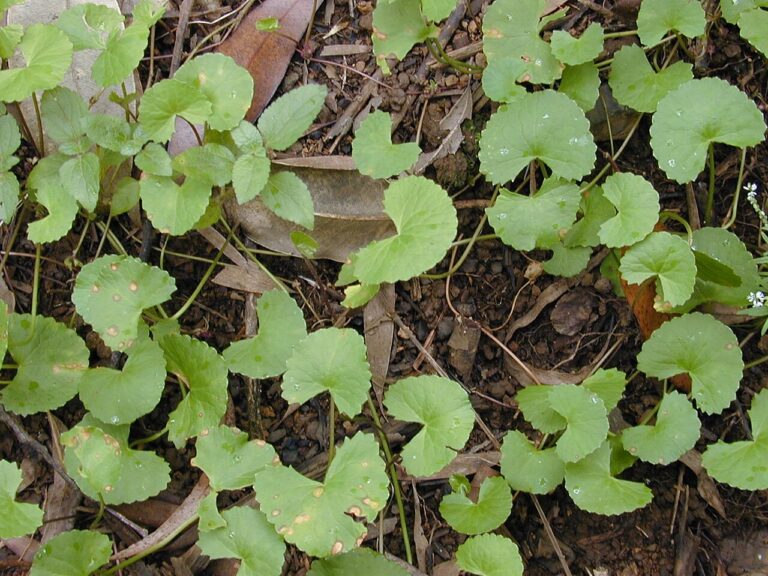
    A small creeping plant from the carrot family, prized in Ayurveda as a "medhya rasayana", a tonic for the mind, and across Asia for skin, wounds and longevity. Sri Lankan tradition held that eating the leaves helped people live longer.

    Members-only guide

    The full guide, with how to use it and the safety notes, is in the Remedies Vault.

    See what’s in the Vault

    Already a member? Log in here
  • Horsetail

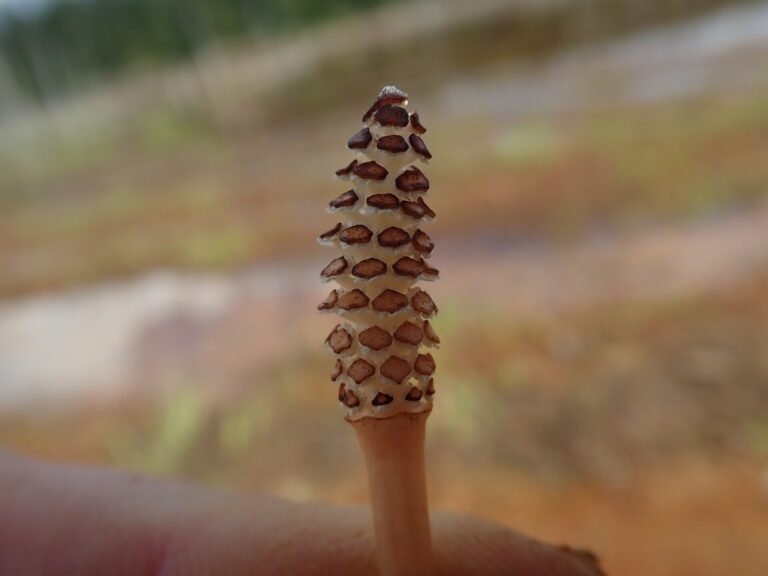
    An ancient, jointed plant that looks like a little green bottle brush, horsetail is so rich in silica that people once used it to scrub pots and sand canoes. Here's what tradition and research say about it, and why it should be used carefully.

    Members-only guide

    The full guide, with how to use it and the safety notes, is in the Remedies Vault.

    See what’s in the Vault

    Already a member? Log in here
  • Olive Leaf

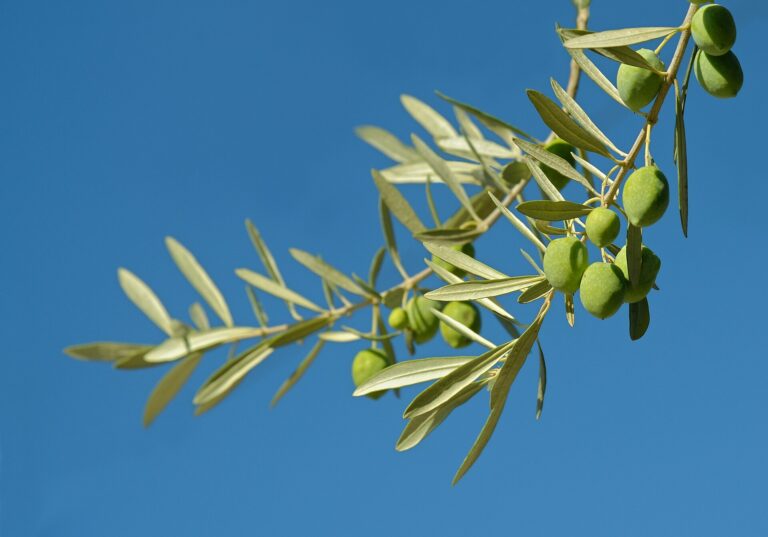
    The silver-green leaves of the olive tree, one of the oldest cultivated trees on earth, have been brewed into a bitter tea around the Mediterranean for centuries. Here's what tradition and research say about them, and who should be careful.

    Members-only guide

    The full guide, with how to use it and the safety notes, is in the Remedies Vault.

    See what’s in the Vault

    Already a member? Log in here
  • |

    Berberine

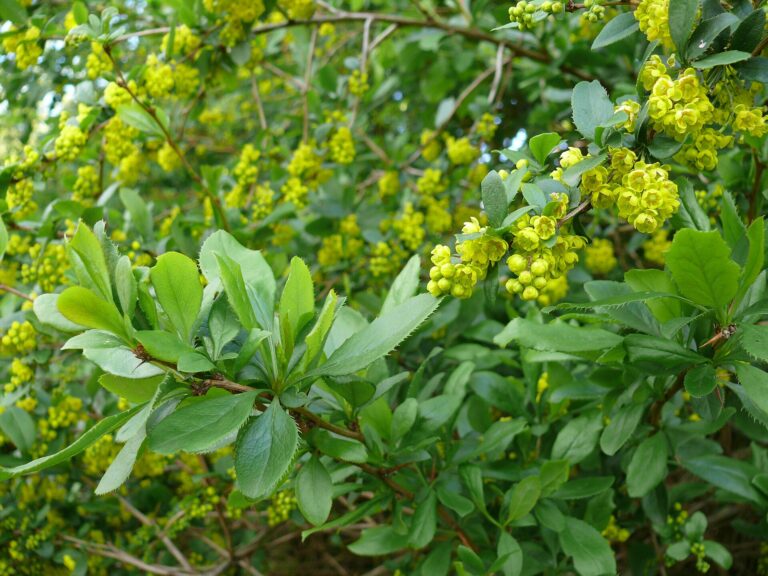
    Berberine is the bright-yellow compound behind some of the oldest bitter remedies in Ayurveda and Chinese medicine, from Indian barberry to Chinese goldthread. Today it is one of the most-studied plant compounds for metabolic health, and one of the most interaction-prone, so it is worth reading the safety section first.

    Members-only guide

    The full guide, with how to use it and the safety notes, is in the Remedies Vault.

    See what’s in the Vault

    Already a member? Log in here
  • Reishi Mushroom

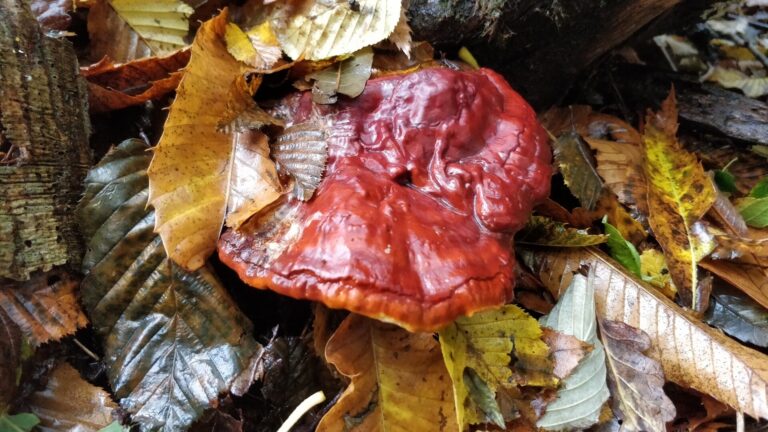
    Reishi is the glossy "mushroom of immortality" of Chinese and Japanese tradition, prized for over 2,000 years as a calming, strengthening tonic. Here's what traditional medicine uses it for, what the research says so far, and who should be careful with it.

    Members-only guide

    The full guide, with how to use it and the safety notes, is in the Remedies Vault.

    See what’s in the Vault

    Already a member? Log in here
  • Nettle

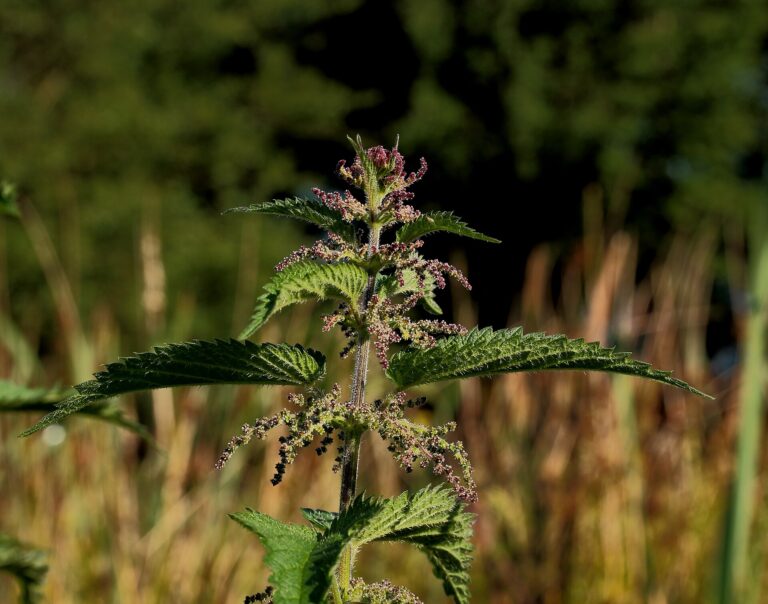
    Nettle stings on the trail, but it has been a spring food, a joint remedy, a fibre plant and a "strengthening and cleansing" tea for peoples across Europe, North Africa and North America. Here's how tradition uses the leaf and the root, what the research shows for joints, the prostate and urination, and who should skip it.

    Members-only guide

    The full guide, with how to use it and the safety notes, is in the Remedies Vault.

    See what’s in the Vault

    Already a member? Log in here