
Safflower
Safflower is the bright orange "false saffron" flower that's also the source of a common kitchen oil. The vault page explains why the flower and the oil are two very different products, and who should leave the flower alone.
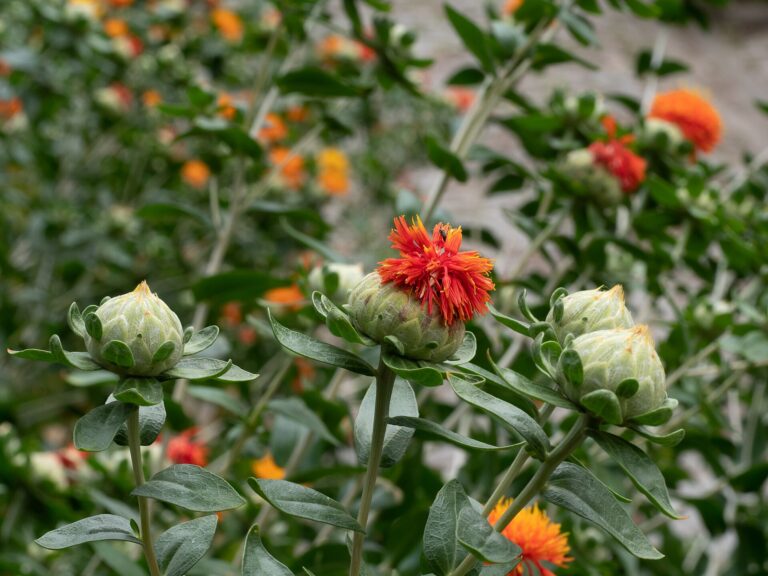
Safflower is the bright orange "false saffron" flower that's also the source of a common kitchen oil. The vault page explains why the flower and the oil are two very different products, and who should leave the flower alone.
The full guide, with how to use it and the safety notes, is in the Remedies Vault.
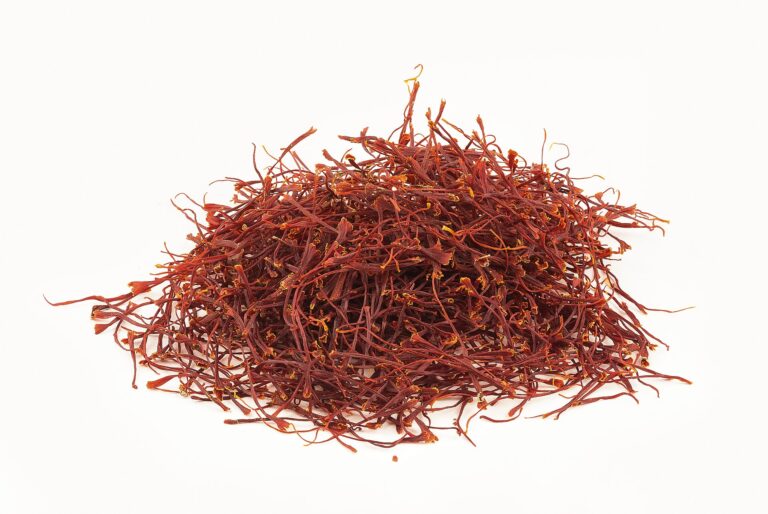
The world's most expensive spice is also one of the oldest mood herbs on record: Persian physicians called it a heart-gladdener, and modern trials have tested it for low mood and PMS. This profile covers how tradition uses it, what the research shows, and why "more" is not better with saffron.
The full guide, with how to use it and the safety notes, is in the Remedies Vault.
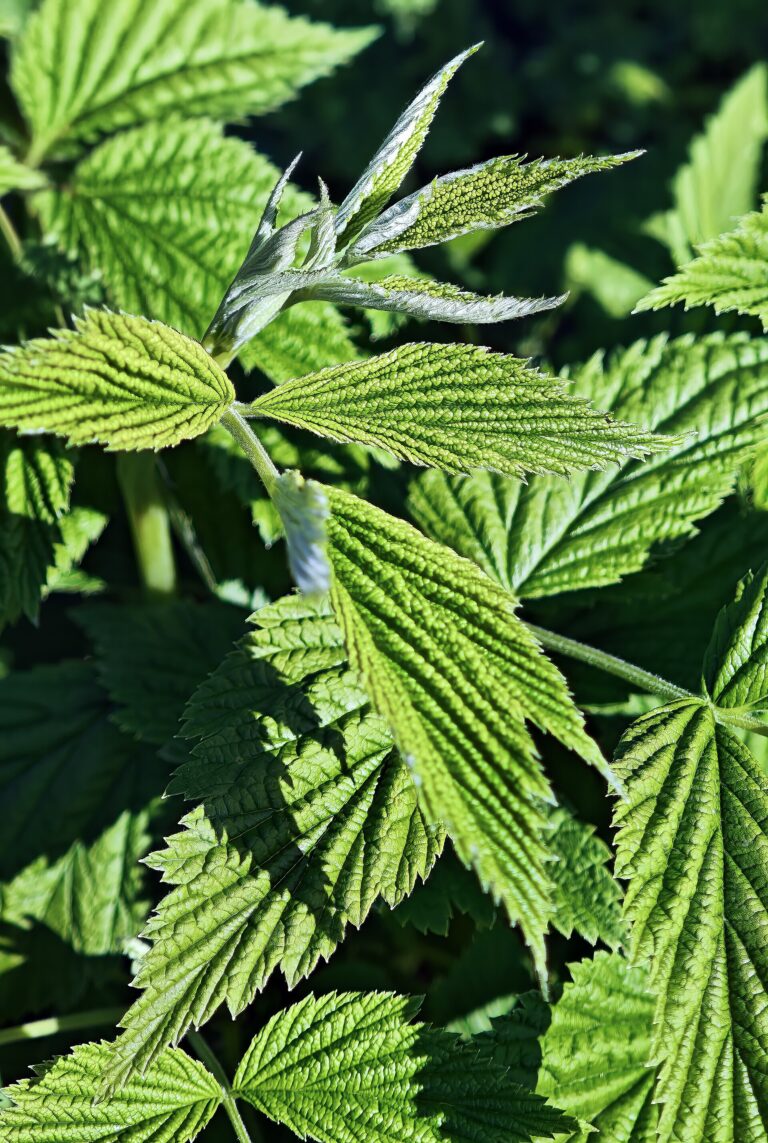
Raspberry leaf is one of the best-known "women's teas", a mild, slightly drying leaf that midwives and herbalists have handed down for generations. It is also a European-approved traditional tea for period cramps, mild tummy upsets and as a mouth and throat gargle.
The full guide, with how to use it and the safety notes, is in the Remedies Vault.
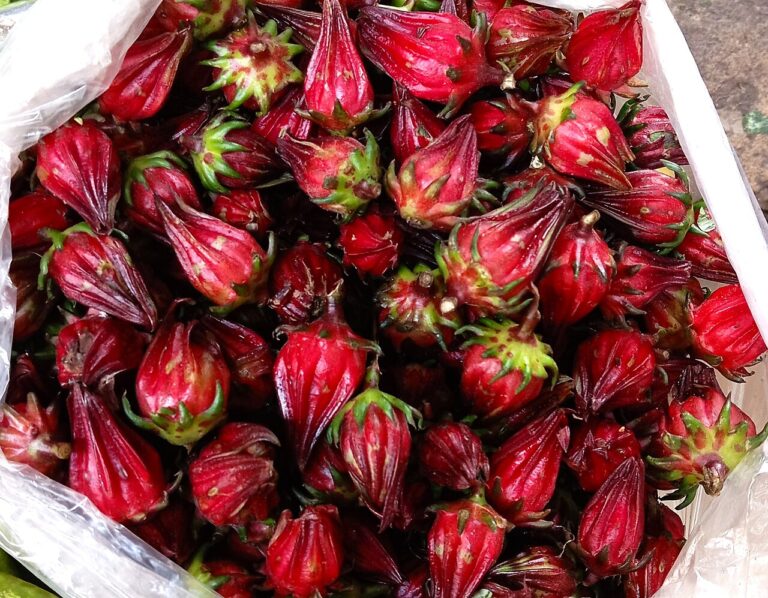
Tart, ruby-red hibiscus tea is drunk hot or iced from Egypt to Mexico and is one of the most-studied herbal teas for heart wellness. Here's what traditions use it for, what the trials show, how people brew it, and who should check first.
The full guide, with how to use it and the safety notes, is in the Remedies Vault.
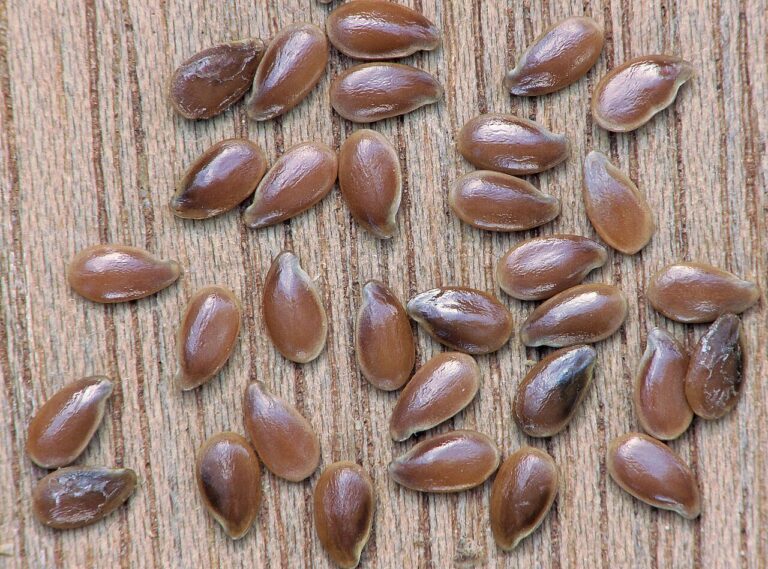
The small brown or golden seed behind linseed tea, old-fashioned linseed poultices and today's breakfast sprinkle. Flax has been a food, fibre and folk remedy for thousands of years and is now one of the better-studied seeds for the bowels and blood pressure.
The full guide, with how to use it and the safety notes, is in the Remedies Vault.
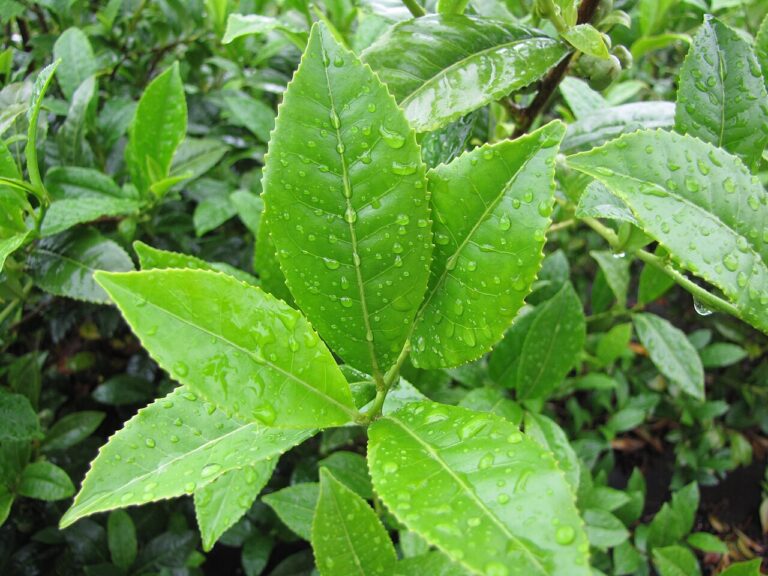
The tea plant was first grown in China thousands of years ago, and a Japanese monk wrote in 1211 that tea was a medicine for long life. Today green tea is one of the world's most-loved daily drinks, and its leaf and extracts are some of the most-studied plant compounds there are.
The full guide, with how to use it and the safety notes, is in the Remedies Vault.
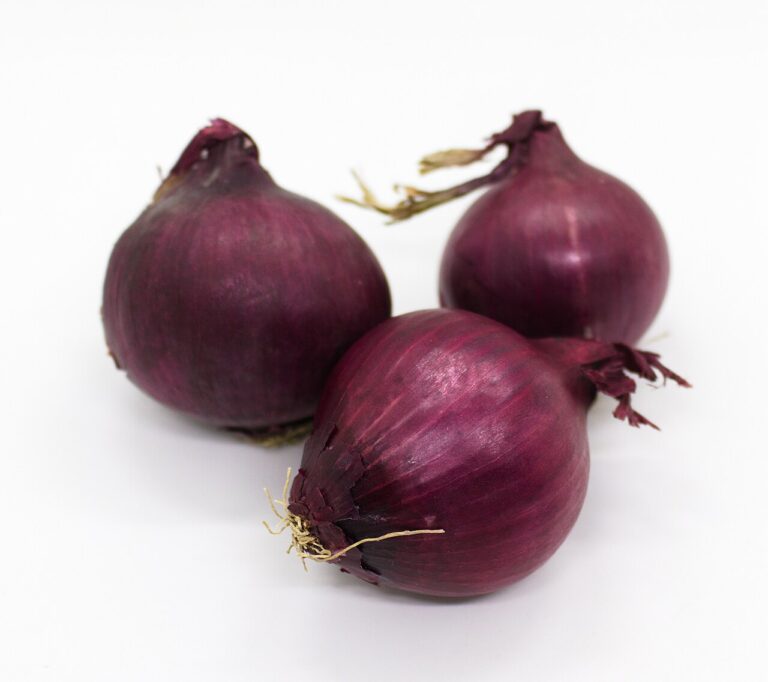
Quercetin is the most common flavonoid in the human diet, the yellow pigment behind onion skins and apple peels. Here's how naturopaths use it, the traditional herbs that are rich in it, and what the research shows.
The full guide, with how to use it and the safety notes, is in the Remedies Vault.
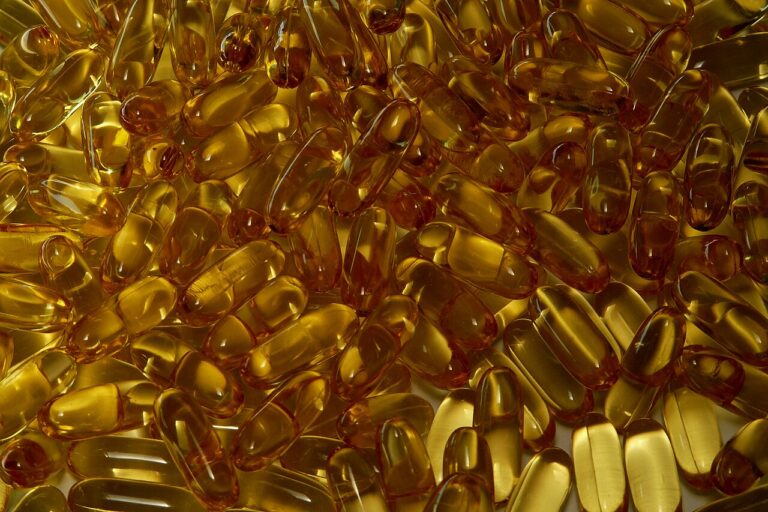
Fish oil carries EPA and DHA, the long-chain omega-3 fats found in oily fish. Here's how folk medicine and naturopaths have used it, from cod liver oil for "aches and pains" to heart and brain support, and what the big trials found.
The full guide, with how to use it and the safety notes, is in the Remedies Vault.
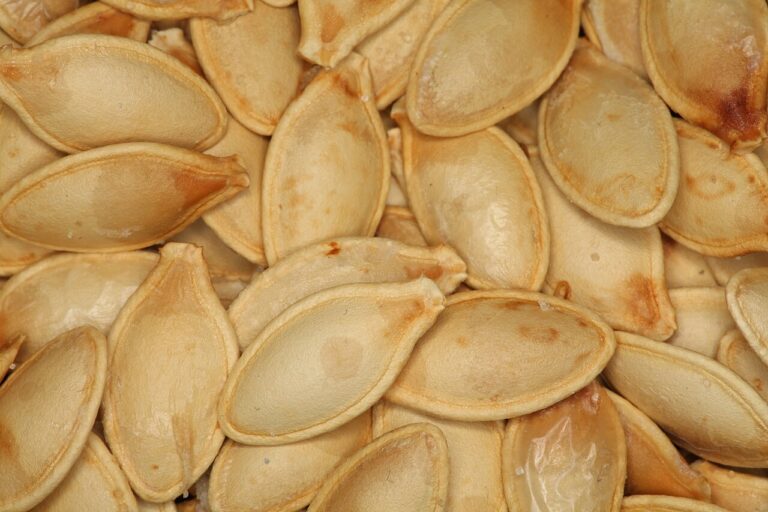
In 1618 an English farmer found that cattle on Epsom Common wouldn't drink from a bitter pool. The salt left behind became one of the best-known home remedies of the next 350 years. Here's how people use magnesium today for sleep, muscles, headaches and regularity, what the studies found, and the safety limits that matter.
The full guide, with how to use it and the safety notes, is in the Remedies Vault.
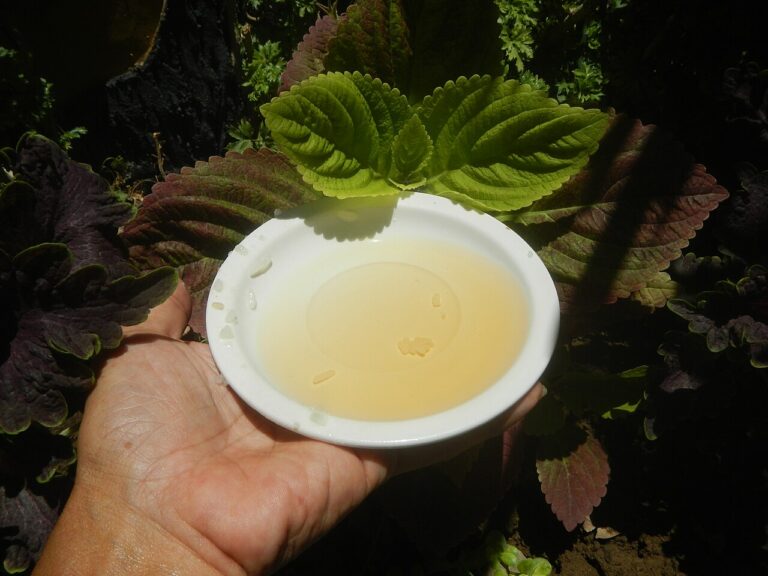
People have used vinegar as a kitchen remedy for thousands of years, from Hippocrates' wound care to the honey-and-vinegar tonics of Persian medicine. Here's what tradition says, what the small modern studies found, and how to take it without hurting your throat.
The full guide, with how to use it and the safety notes, is in the Remedies Vault.