
Rosemary
The kitchen herb tied to memory since Shakespeare, used for centuries for digestion, sore muscles and the scalp. Here's what tradition and research say.
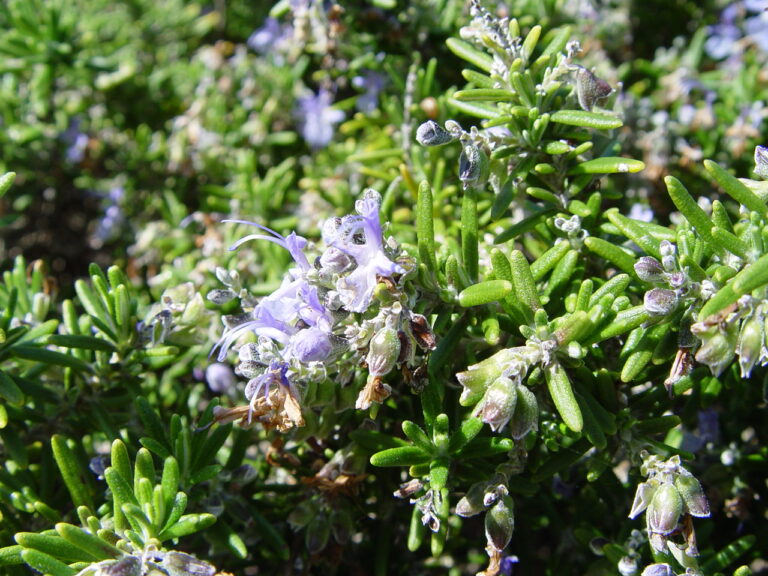
The kitchen herb tied to memory since Shakespeare, used for centuries for digestion, sore muscles and the scalp. Here's what tradition and research say.
The full guide, with how to use it and the safety notes, is in the Remedies Vault.
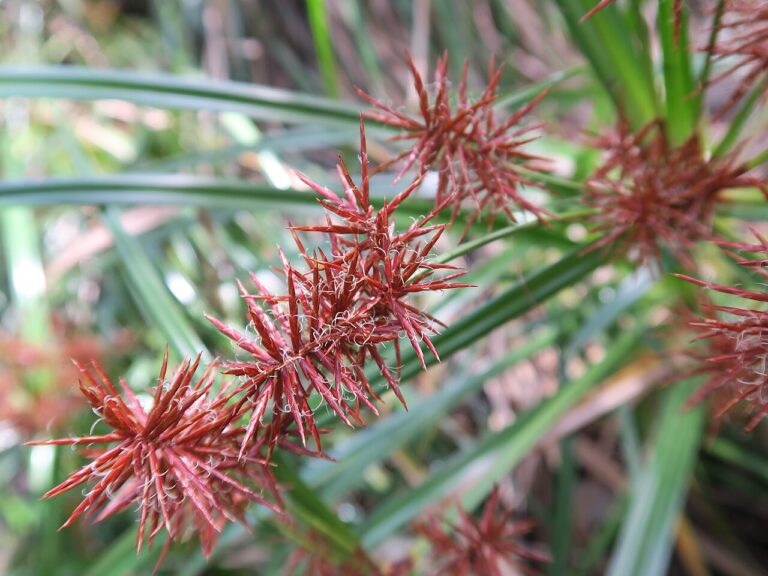
A common weed with a long life in Ayurvedic and Chinese medicine, musta is used for loose stools, digestion, fever and period discomfort. Here's the tradition, the thin research, and the cautions.
The full guide, with how to use it and the safety notes, is in the Remedies Vault.
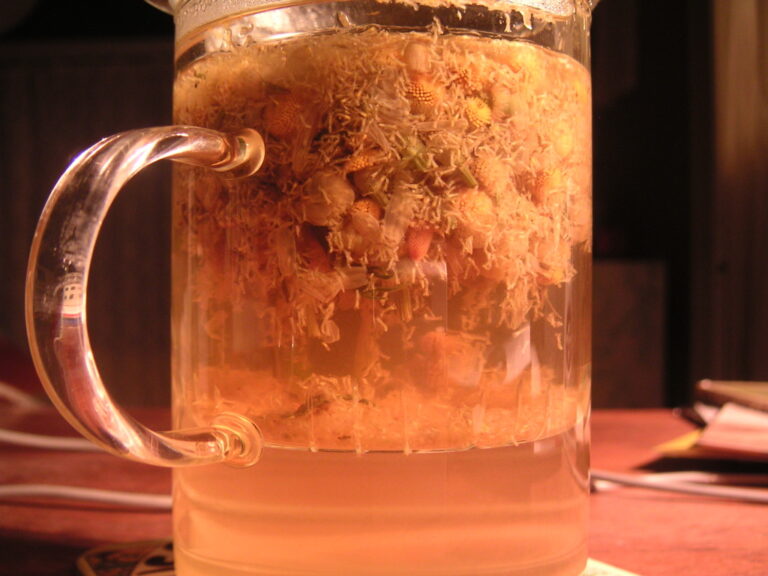
That heavy, too-full feeling that lingers long after a meal is one of the most common gut complaints. This guide walks through every natural option people use, from bitters and ginger to how you eat, with the evidence for each laid out honestly.
The full guide, with how to use it and the safety notes, is in the Remedies Vault.
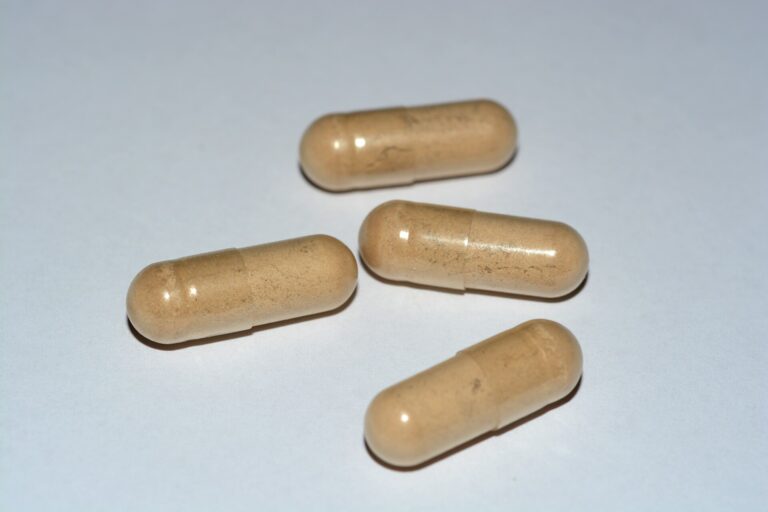
TUDCA and ox bile are bile-acid supplements sold for "liver detox", bile flow and fat digestion, especially after gallbladder removal. Here's what the research on the related drug ursodiol shows, what's missing for supplements, and who must get checked first.
The full guide, with how to use it and the safety notes, is in the Remedies Vault.
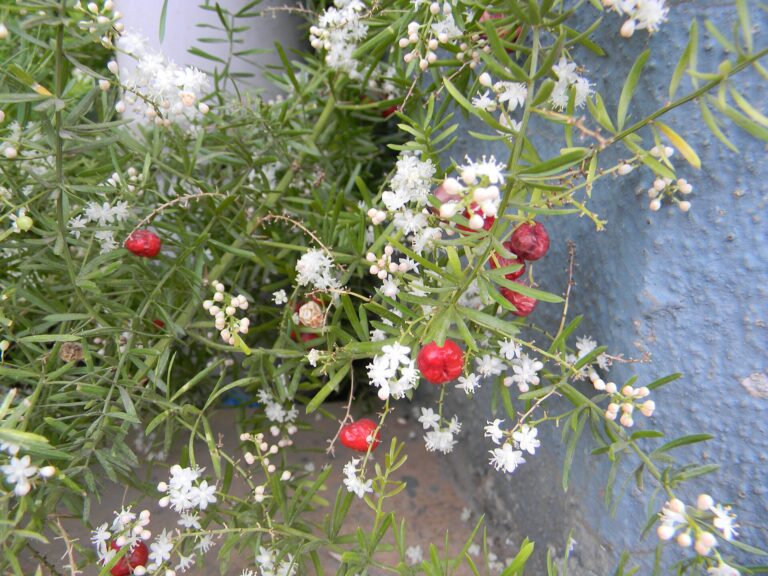
Shatavari is one of Ayurveda's best-known "women's tonics", a cooling, nourishing root used for centuries for breast milk, the monthly cycle and strength. Here's what tradition says, what the small studies show, and who should be careful with it.
The full guide, with how to use it and the safety notes, is in the Remedies Vault.
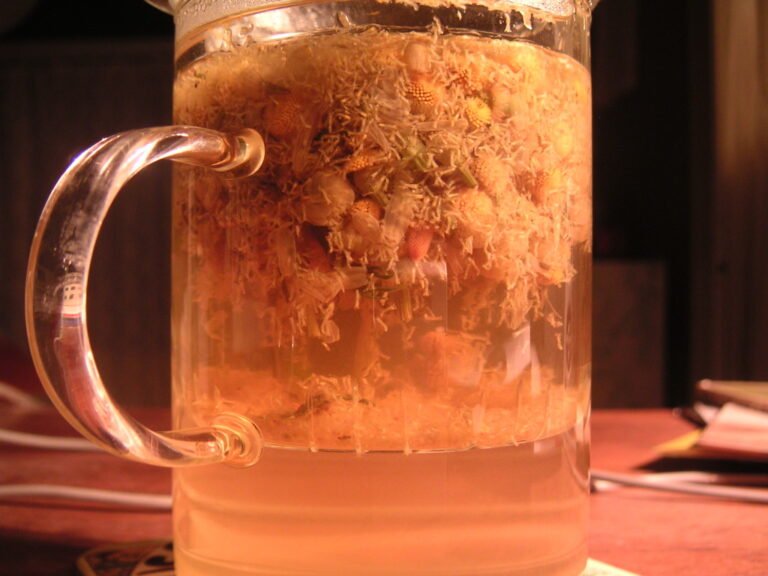
Heartburn is one of the most common gut complaints, and many of the best-supported fixes are free: meal timing, sleep position and raising the head of the bed. This entry sorts the teas, soothing herbs, kitchen remedies and breathing practices people use for reflux by how well they're backed, and flags when heartburn needs a doctor.
The full guide, with how to use it and the safety notes, is in the Remedies Vault.
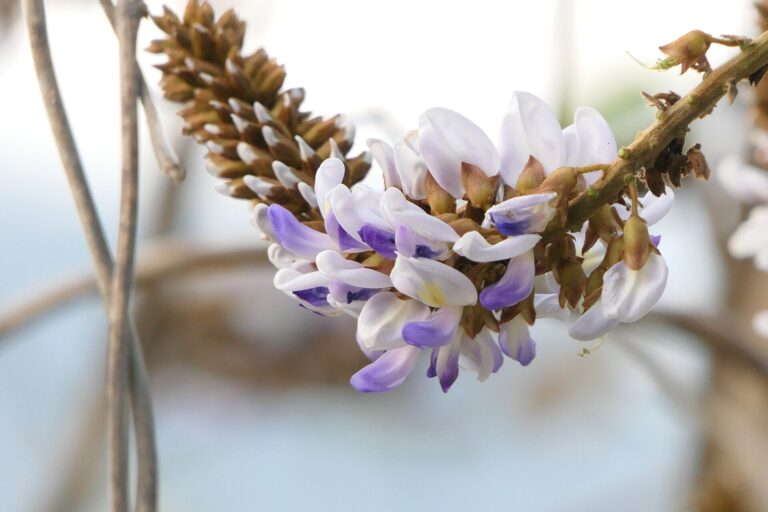
Vidari is a sweet, cooling Ayurvedic root used as a strength-building rejuvenative, a traditional aid for new mothers' milk, and a pitta-soothing herb in acid-indigestion regimes. Here's what the tradition says, the (mostly animal) research on its isoflavones, why it's often mixed up with other "vidari" roots, and who should skip it.
The full guide, with how to use it and the safety notes, is in the Remedies Vault.
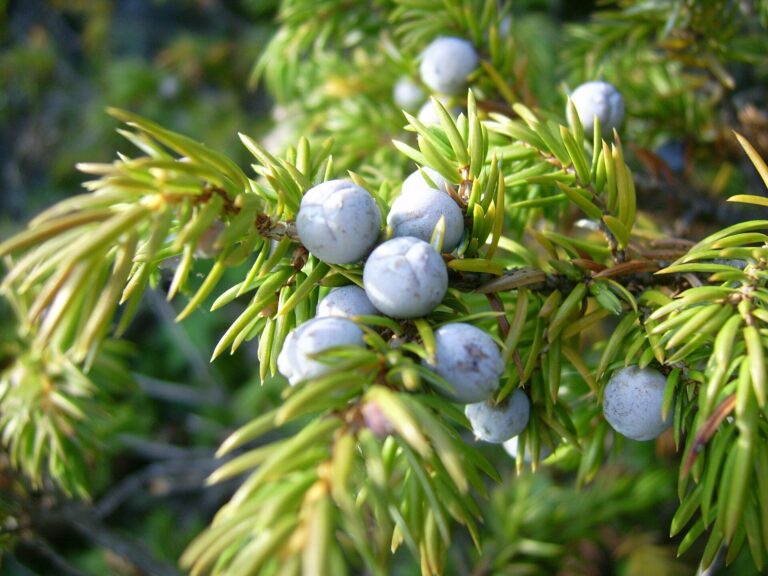
The berry that flavours gin has a long second life as a European and North American folk herb for the bladder and the belly. This profile covers how traditions use it, why the evidence is thin, and the clear limits on how long and for whom it's used.
The full guide, with how to use it and the safety notes, is in the Remedies Vault.
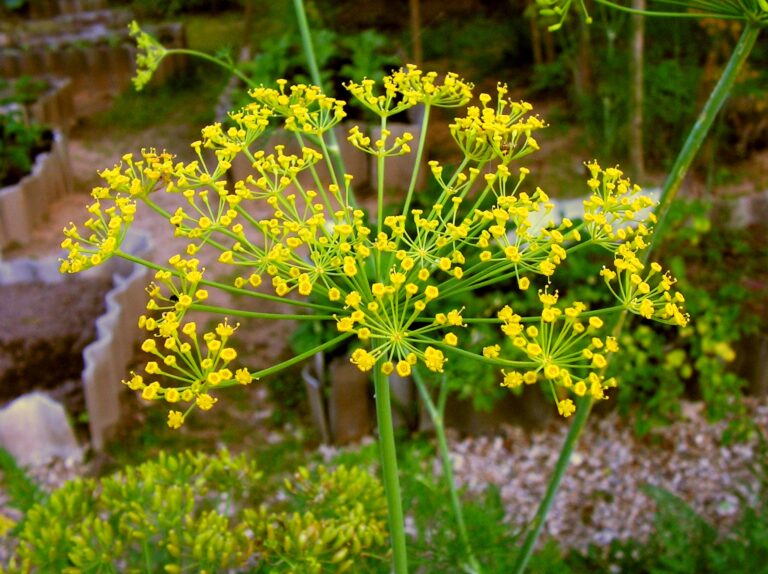
The feathery pickle herb is also one of the oldest "wind" seeds, brewed after meals, taken in Ayurveda for digestion and breast milk, and used as the original base of gripe water. Members can see what traditions use it for, what small studies show, and who should keep to kitchen amounts.
The full guide, with how to use it and the safety notes, is in the Remedies Vault.
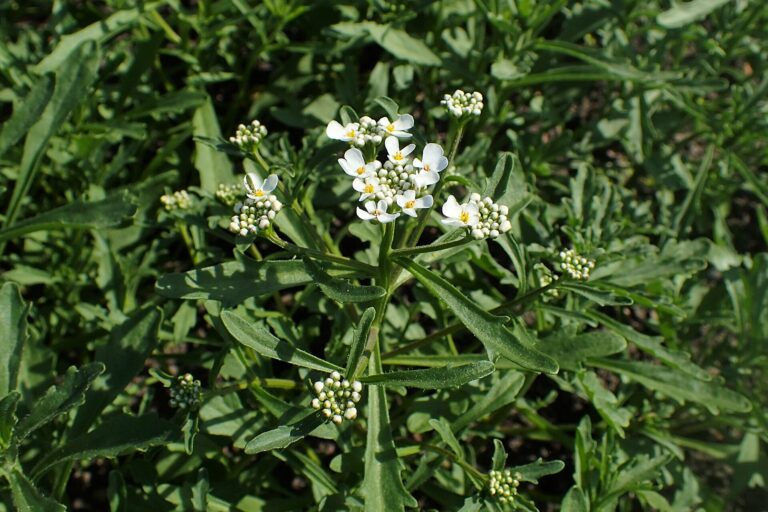
A small, bitter garden flower from the cabbage family. It's the lead herb in Germany's best-known stomach drops, a multi-herb formula that has been studied for bloating, fullness and IBS-type discomfort.
The full guide, with how to use it and the safety notes, is in the Remedies Vault.