
Gotu Kola
A small creeping plant from the carrot family, prized in Ayurveda as a "medhya rasayana", a tonic for the mind, and across Asia for skin, wounds and longevity. Sri Lankan tradition held that eating the leaves helped people live longer.
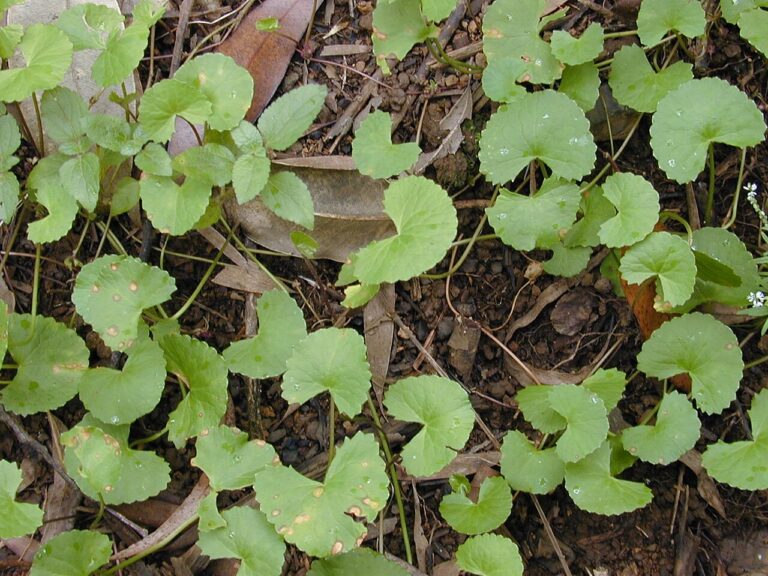
A small creeping plant from the carrot family, prized in Ayurveda as a "medhya rasayana", a tonic for the mind, and across Asia for skin, wounds and longevity. Sri Lankan tradition held that eating the leaves helped people live longer.
The full guide, with how to use it and the safety notes, is in the Remedies Vault.
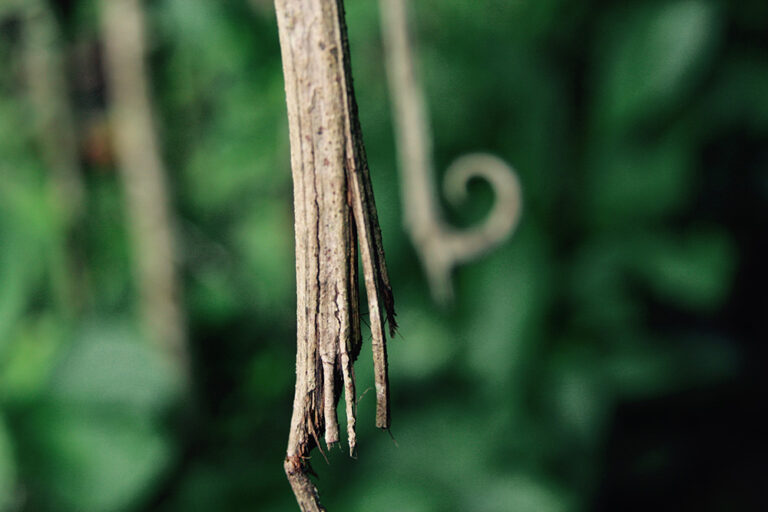
A thorny vine from the Amazon rainforest, named for the curved hooks on its stems, that Peruvian peoples have boiled into a bitter bark tea for generations. Here's what tradition and research say about it, and who should be careful.
The full guide, with how to use it and the safety notes, is in the Remedies Vault.
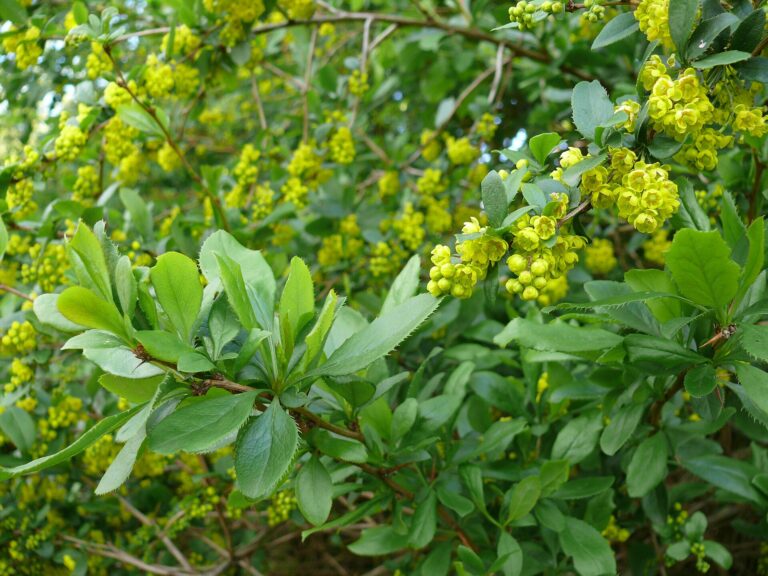
Berberine is the bright-yellow compound behind some of the oldest bitter remedies in Ayurveda and Chinese medicine, from Indian barberry to Chinese goldthread. Today it is one of the most-studied plant compounds for metabolic health, and one of the most interaction-prone, so it is worth reading the safety section first.
The full guide, with how to use it and the safety notes, is in the Remedies Vault.
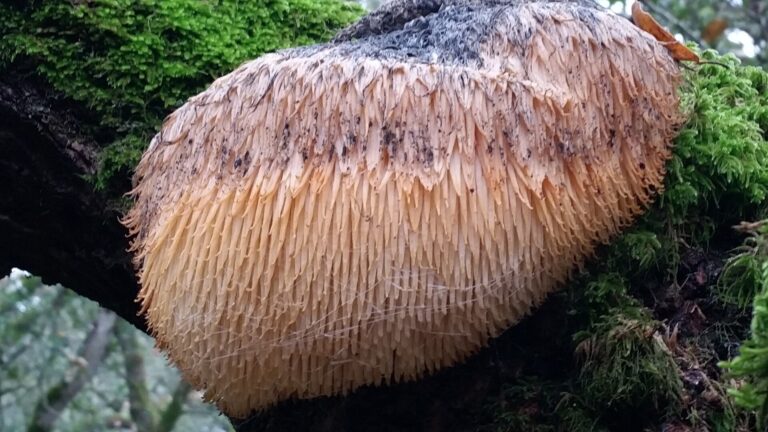
Lion's mane is the shaggy white "monkey head" mushroom of Chinese and Japanese tradition, eaten as a delicacy and used for centuries to support the stomach and, more recently, memory and mood. Here's what tradition says, what the early research shows, and who should be careful with it.
The full guide, with how to use it and the safety notes, is in the Remedies Vault.
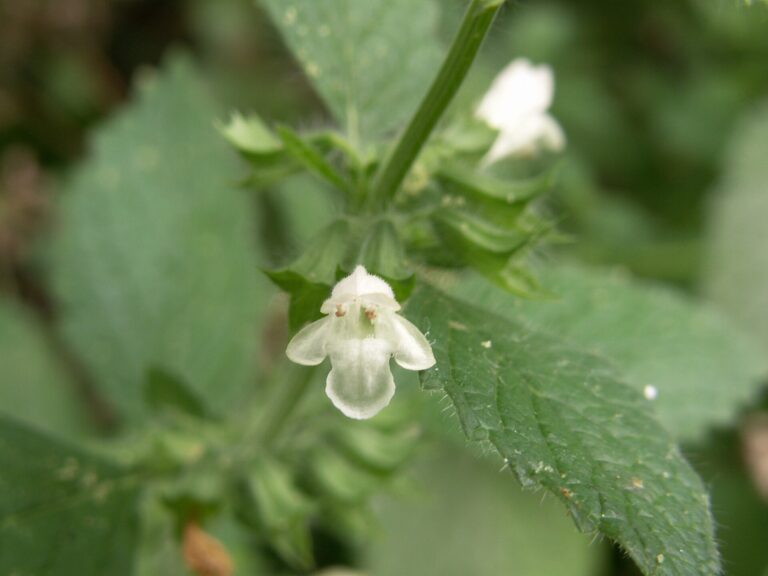
For more than two thousand years, lemon balm has been the herb people reach for to “gladden the heart” and calm a racing mind. Here's how tradition uses it for nerves, sleep, digestion and cold sores, what the research shows, and why people with thyroid conditions should check first.
The full guide, with how to use it and the safety notes, is in the Remedies Vault.
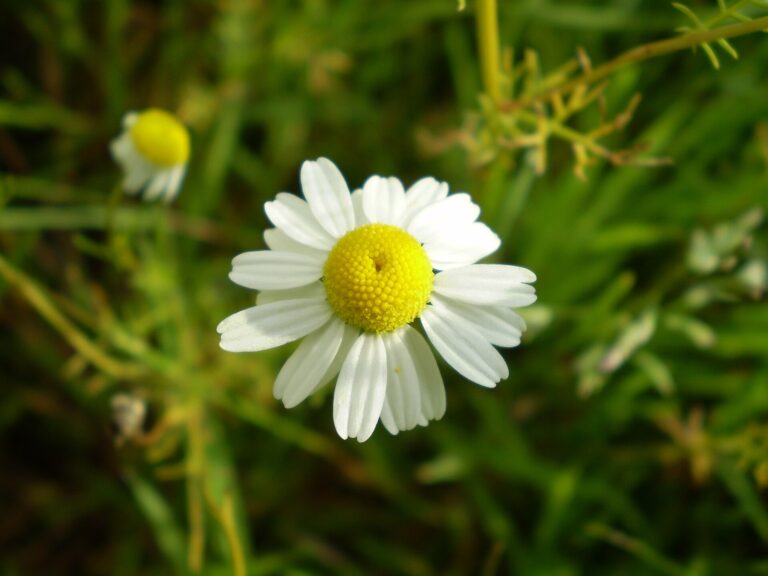
One of the oldest and gentlest herbs in the world, with more than a million cups of its tea drunk every day. Here's how tradition uses chamomile for nerves, sleep, digestion, mouth and skin, what the research shows, and the one allergy to watch for.
The full guide, with how to use it and the safety notes, is in the Remedies Vault.
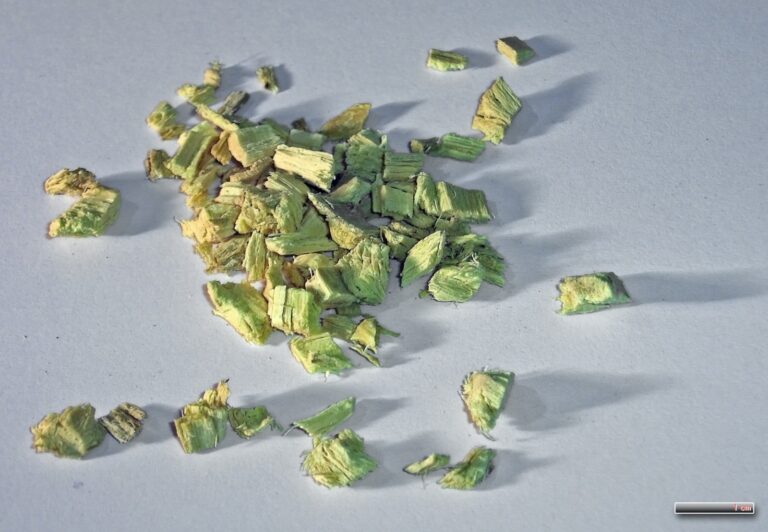
One of the oldest and most widely used herbs on earth, licorice root is the sweet "harmonizer" of Chinese formulas and a soothing tonic in Ayurveda. Here's what traditions use it for, what the research shows, and why it's one herb you need to respect.
The full guide, with how to use it and the safety notes, is in the Remedies Vault.
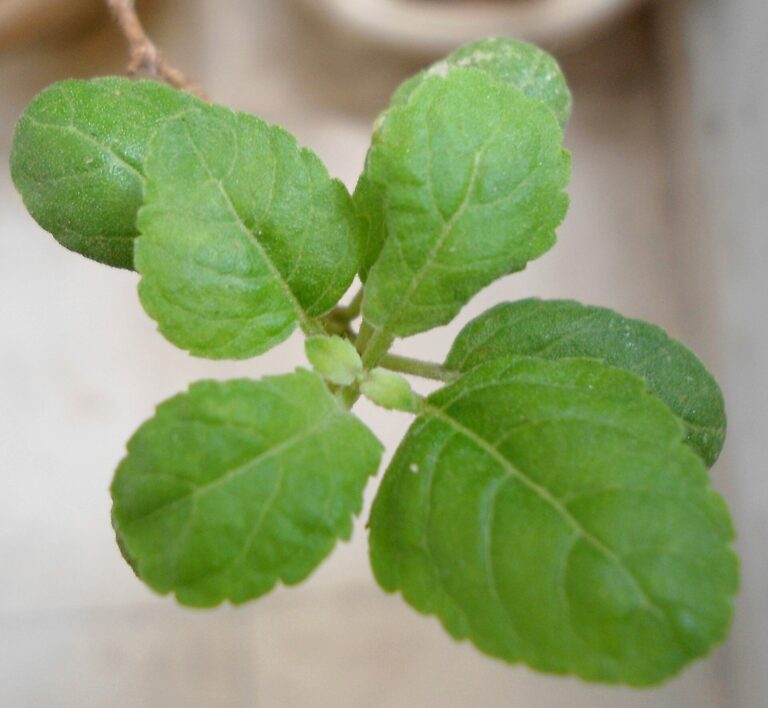
Sacred in Hindu tradition and called the "elixir of life" in Ayurveda, tulsi has been a daily tonic in India for thousands of years. Here's what tradition uses it for, what the modern studies show, and who should be careful with it.
The full guide, with how to use it and the safety notes, is in the Remedies Vault.
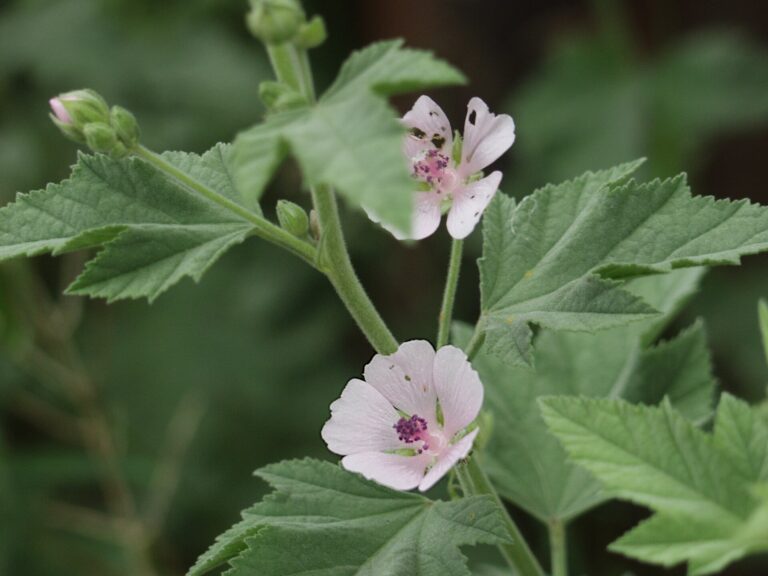
Marshmallow root (the plant, not the candy) is a soft root that turns slippery in water. Herbalists have used it for over 2,000 years to soothe the throat and an irritated gut. Members can read what the research really shows, the typical amounts in the European monograph, and the medicine-timing point to know first.
The full guide, with how to use it and the safety notes, is in the Remedies Vault.
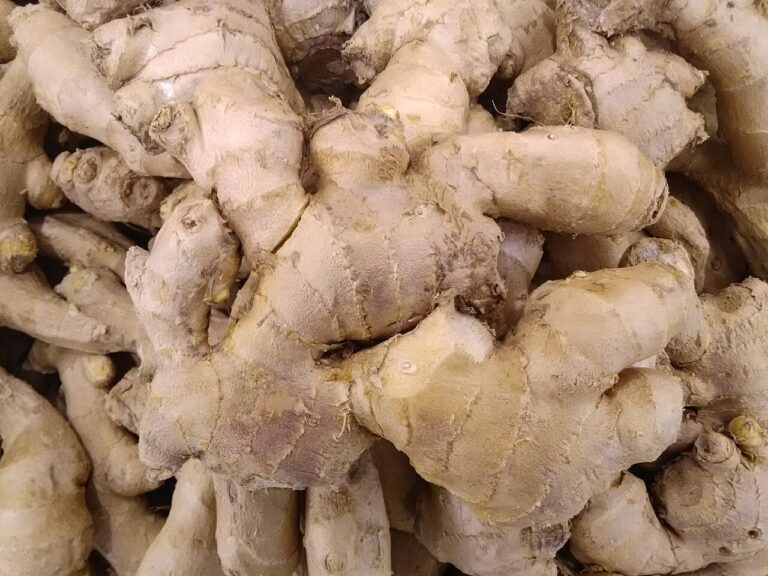
Ayurveda calls dried ginger "the great medicine" and Chinese medicine calls fresh ginger its most important herb for nausea. Here's how each tradition uses it, what the trials found for nausea, period pain and sore joints, and which medicines to check before taking it as a supplement.
The full guide, with how to use it and the safety notes, is in the Remedies Vault.