
Sacred in Hindu tradition and called the “elixir of life” in Ayurveda, tulsi has been a daily tonic in India for thousands of years. Here’s what tradition uses it for, what the modern studies show, and who should be careful with it.
Similar Posts
Red Clover
ByClifA pink meadow flower that herbalists have long counted among the classic "blood purifier" herbs, often sipped as a gentle tea. Members can see how people use it, what the research does and doesn't show, and why it isn't for everyone.
Chamomile
ByClifOne of the oldest and gentlest herbs in the world, with more than a million cups of its tea drunk every day. Here's how tradition uses chamomile for nerves, sleep, digestion, mouth and skin, what the research shows, and the one allergy to watch for.
Spirulina
ByClifSpirulina is a deep blue-green algae powder that's been eaten as food for centuries, and many detoxers add it to smoothies during heavy-metal and liver routines. Members get the full entry: what the small studies found, typical amounts, and why where your spirulina comes from matters more than almost anything else.
Gotu Kola
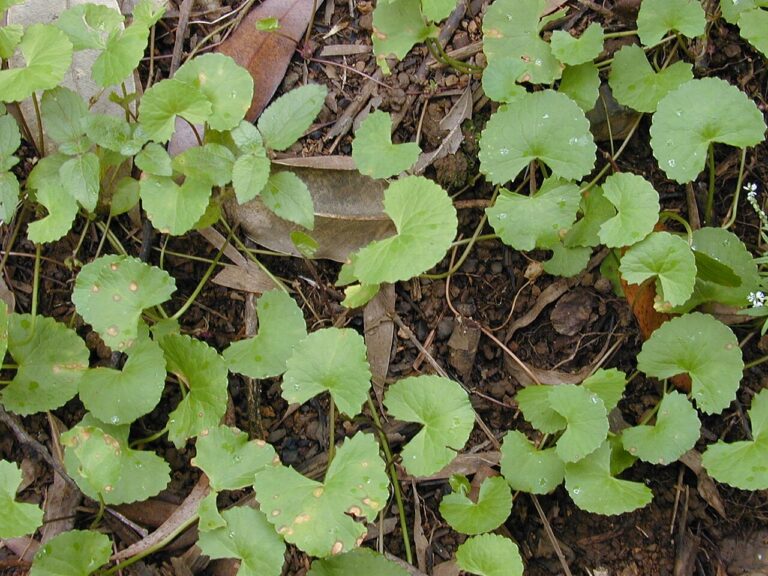
ByClifA small creeping plant from the carrot family, prized in Ayurveda as a "medhya rasayana", a tonic for the mind, and across Asia for skin, wounds and longevity. Sri Lankan tradition held that eating the leaves helped people live longer.
Nettle
ByClifNettle stings on the trail, but it has been a spring food, a joint remedy, a fibre plant and a "strengthening and cleansing" tea for peoples across Europe, North Africa and North America. Here's how tradition uses the leaf and the root, what the research shows for joints, the prostate and urination, and who should skip it.
Neem
ByClifNeem is a bitter Indian tree that Ayurveda has used for centuries, and it turns up in many parasite and candida cleanses today. Members get the full entry: what the lab and small human studies show, how people take the leaf, and why neem oil should never be swallowed.
