
Moringa
Called the "miracle tree" across Asia and Africa, moringa is both a food and a traditional medicine, and its leaves are packed with plant nutrients. Here's what tradition uses it for, what the studies show, and who should be careful with it.
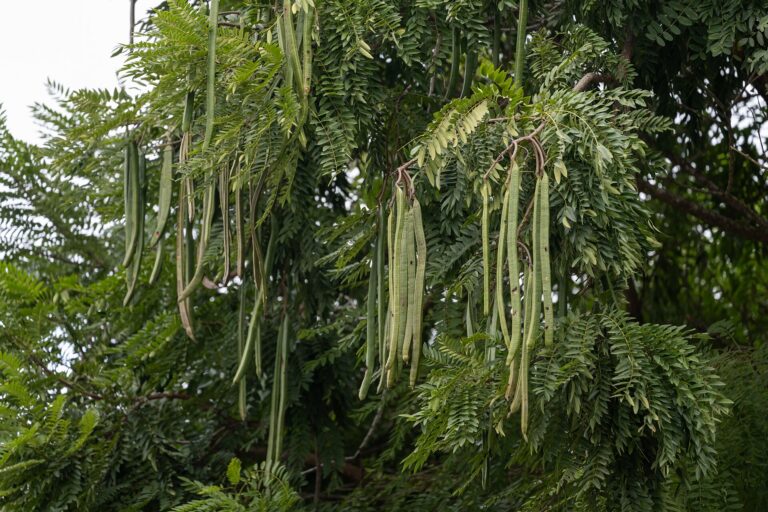
Called the "miracle tree" across Asia and Africa, moringa is both a food and a traditional medicine, and its leaves are packed with plant nutrients. Here's what tradition uses it for, what the studies show, and who should be careful with it.
The full guide, with how to use it and the safety notes, is in the Remedies Vault.
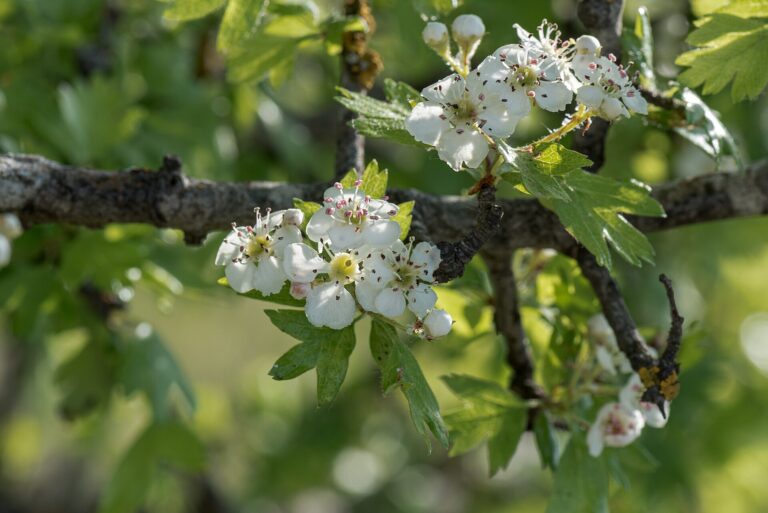
For nearly 2,000 years hawthorn has been Europe's best-known heart herb, and in Chinese medicine its tart red fruit is a classic digestive. Here's what tradition uses it for, what the studies show, and why anyone on heart medicine needs to check before taking it.
The full guide, with how to use it and the safety notes, is in the Remedies Vault.
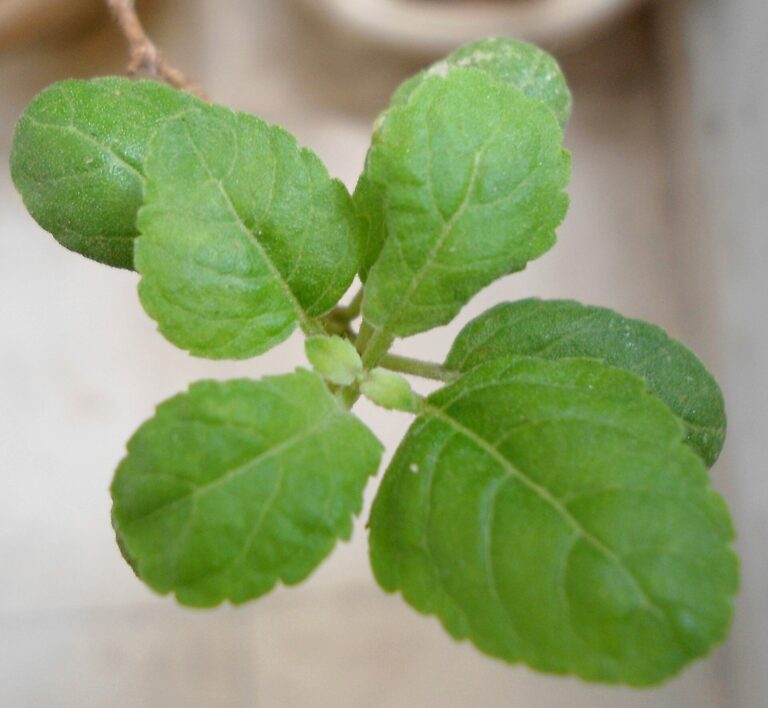
Sacred in Hindu tradition and called the "elixir of life" in Ayurveda, tulsi has been a daily tonic in India for thousands of years. Here's what tradition uses it for, what the modern studies show, and who should be careful with it.
The full guide, with how to use it and the safety notes, is in the Remedies Vault.
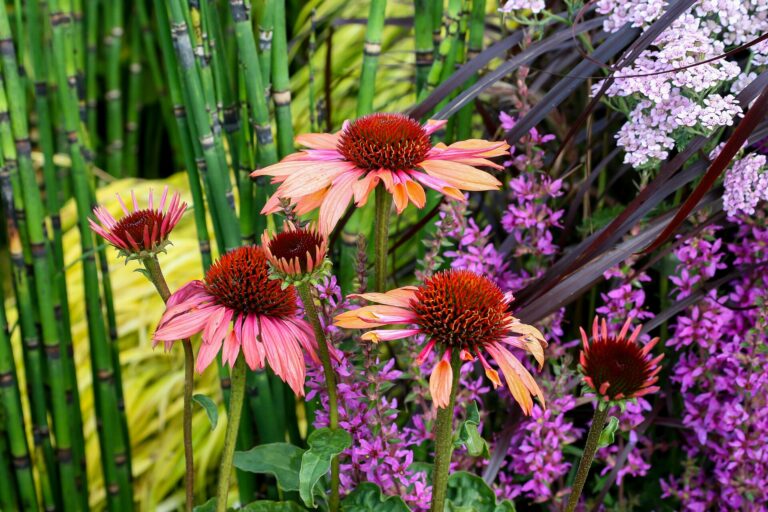
A prairie wildflower that Plains nations used for sore throats, toothache and wounds long before it became Europe's best-known cold remedy. Here's what tradition says, what the research shows, and who should skip it.
The full guide, with how to use it and the safety notes, is in the Remedies Vault.
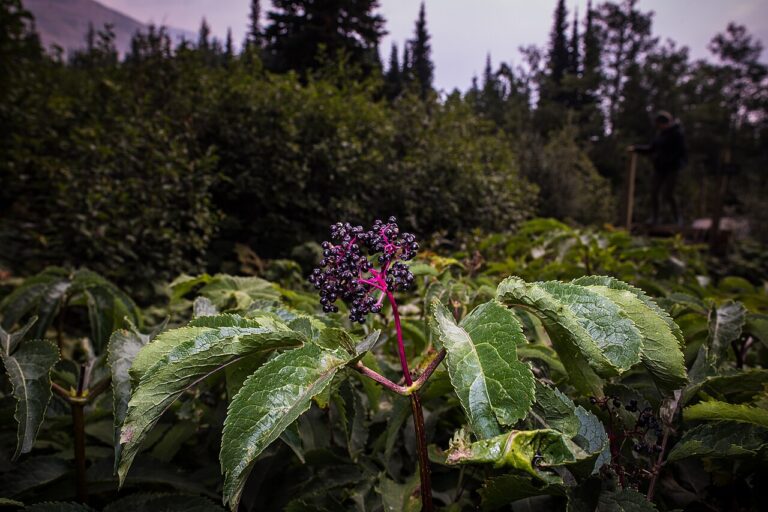
A dark purple berry that European households have cooked into syrups for generations at the first sign of a cold. Today it's one of the most popular herbal supports for the cold and flu season.
The full guide, with how to use it and the safety notes, is in the Remedies Vault.
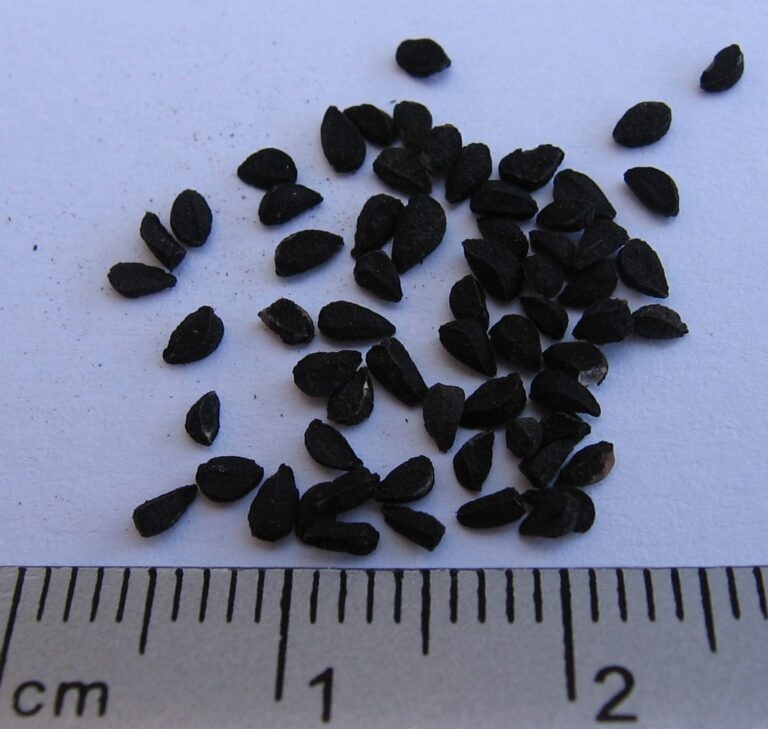
A small black seed that has been a kitchen spice and a household remedy across the Middle East, North Africa and South Asia for centuries. Members use the seeds and cold-pressed oil for digestion, breathing, skin and everyday wellness.
The full guide, with how to use it and the safety notes, is in the Remedies Vault.
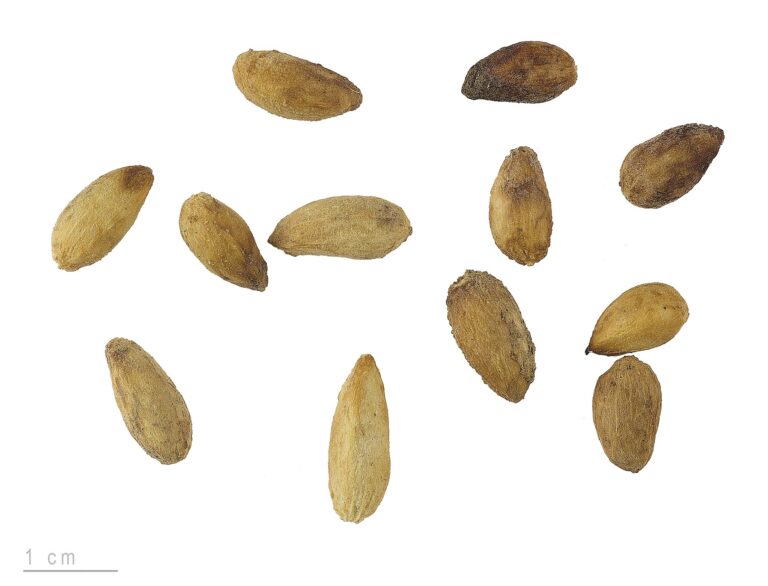
Neem is a bitter Indian tree that Ayurveda has used for centuries, and it turns up in many parasite and candida cleanses today. Members get the full entry: what the lab and small human studies show, how people take the leaf, and why neem oil should never be swallowed.
The full guide, with how to use it and the safety notes, is in the Remedies Vault.
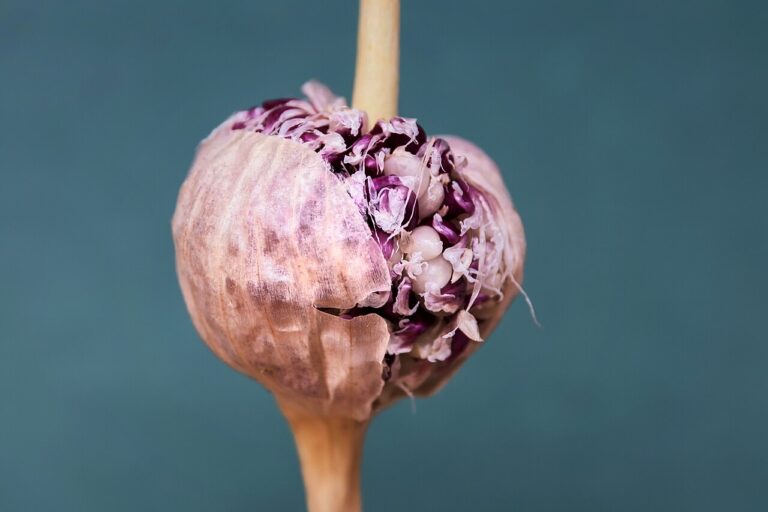
Garlic fed the pyramid builders, went into Hippocrates' remedies and is still one of the most used herbs in Ayurveda and Chinese medicine. Here's how each tradition uses it, what the bigger modern studies found for blood pressure, cholesterol and colds, and the medicine interactions that come with the supplements.
The full guide, with how to use it and the safety notes, is in the Remedies Vault.
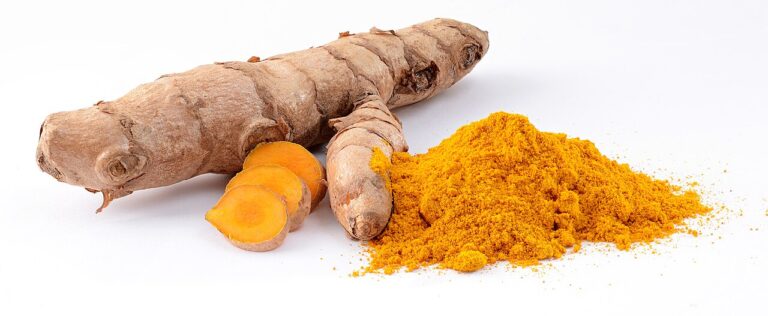
Turmeric is the golden root behind curry, wedding rituals and centuries of Ayurvedic and Chinese herbal practice. Here's how each tradition uses it, what modern studies on joints and digestion actually found, and why the strongest "high-absorption" capsules need more caution than the spice.
The full guide, with how to use it and the safety notes, is in the Remedies Vault.
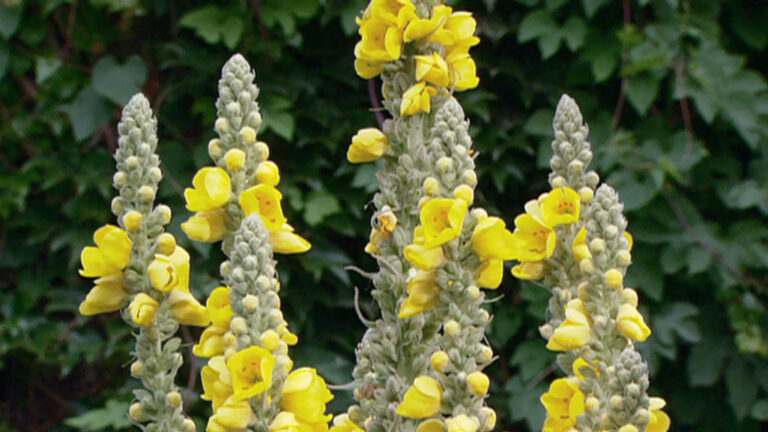
Mullein is the tall, velvety roadside plant that peoples from Spain to Turkey to the Canadian Interior have turned to for tight, irritated chests. Members can read every traditional use, how its soothing compounds are believed to work, and what the small body of research shows.
The full guide, with how to use it and the safety notes, is in the Remedies Vault.