
Moringa
Called the "miracle tree" across Asia and Africa, moringa is both a food and a traditional medicine, and its leaves are packed with plant nutrients. Here's what tradition uses it for, what the studies show, and who should be careful with it.
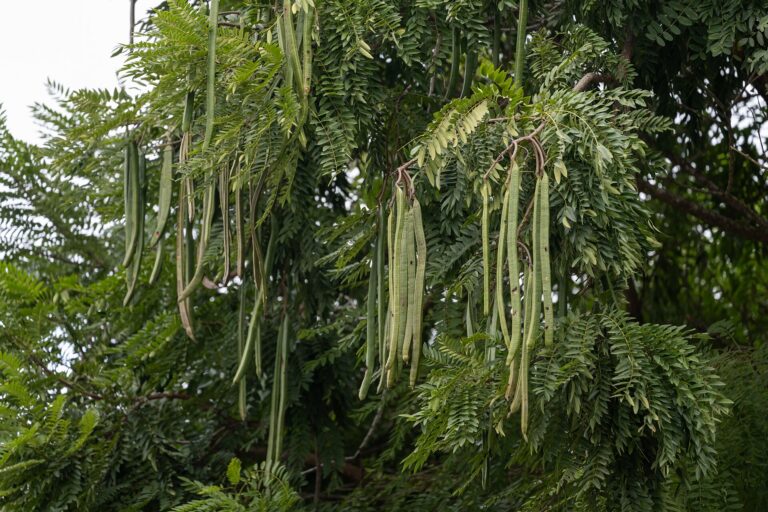
Called the "miracle tree" across Asia and Africa, moringa is both a food and a traditional medicine, and its leaves are packed with plant nutrients. Here's what tradition uses it for, what the studies show, and who should be careful with it.
The full guide, with how to use it and the safety notes, is in the Remedies Vault.
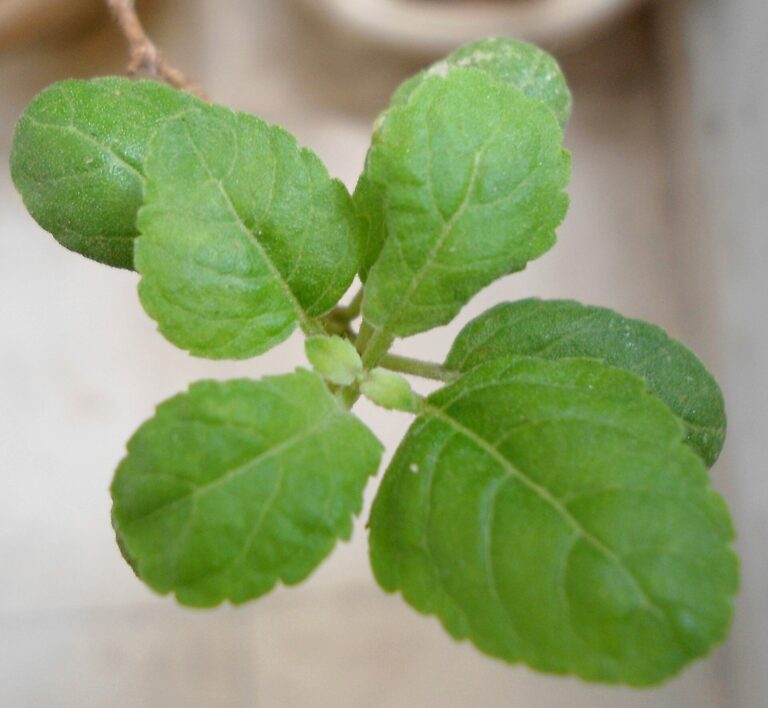
Sacred in Hindu tradition and called the "elixir of life" in Ayurveda, tulsi has been a daily tonic in India for thousands of years. Here's what tradition uses it for, what the modern studies show, and who should be careful with it.
The full guide, with how to use it and the safety notes, is in the Remedies Vault.
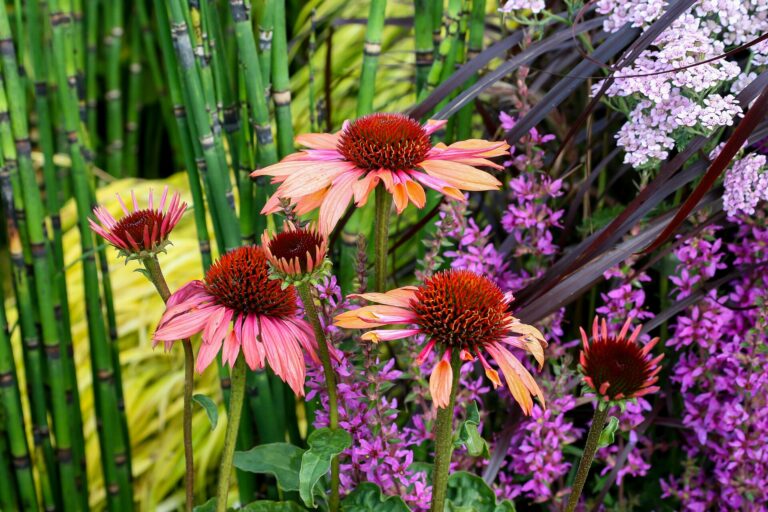
A prairie wildflower that Plains nations used for sore throats, toothache and wounds long before it became Europe's best-known cold remedy. Here's what tradition says, what the research shows, and who should skip it.
The full guide, with how to use it and the safety notes, is in the Remedies Vault.
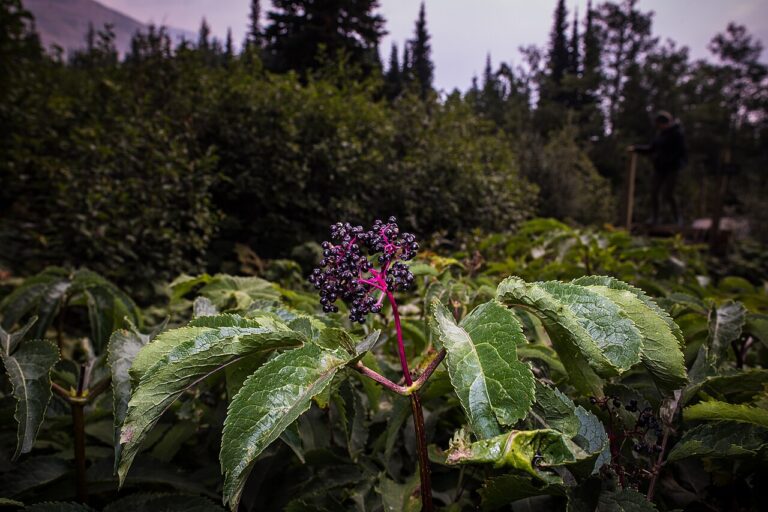
A dark purple berry that European households have cooked into syrups for generations at the first sign of a cold. Today it's one of the most popular herbal supports for the cold and flu season.
The full guide, with how to use it and the safety notes, is in the Remedies Vault.
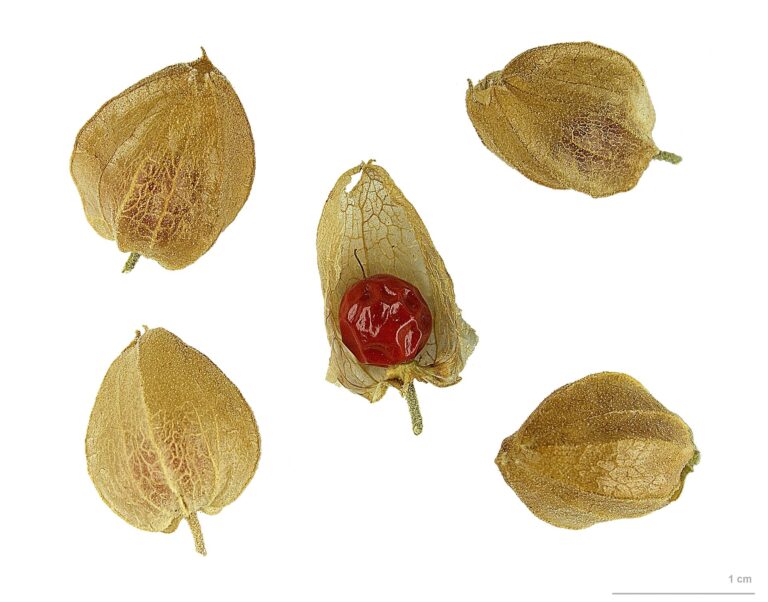
One of Ayurveda's most prized rejuvenating roots, taken for centuries to build strength and help the body cope with stress. Members use it today for calm, sleep, energy and everyday resilience.
The full guide, with how to use it and the safety notes, is in the Remedies Vault.
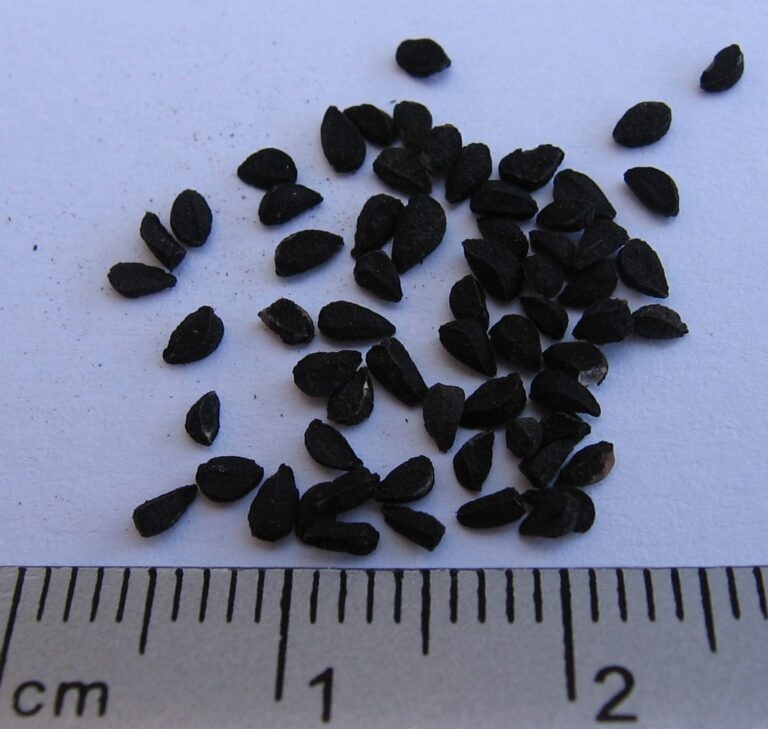
A small black seed that has been a kitchen spice and a household remedy across the Middle East, North Africa and South Asia for centuries. Members use the seeds and cold-pressed oil for digestion, breathing, skin and everyday wellness.
The full guide, with how to use it and the safety notes, is in the Remedies Vault.
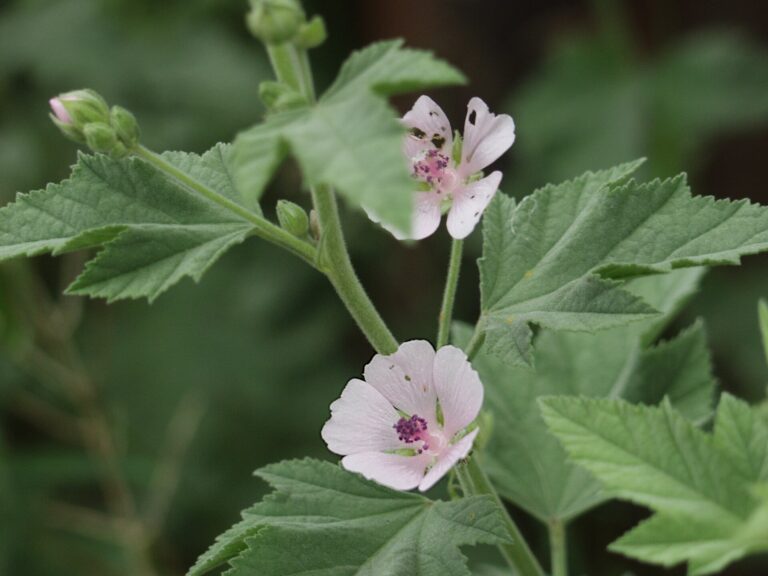
Marshmallow root (the plant, not the candy) is a soft root that turns slippery in water. Herbalists have used it for over 2,000 years to soothe the throat and an irritated gut. Members can read what the research really shows, the typical amounts in the European monograph, and the medicine-timing point to know first.
The full guide, with how to use it and the safety notes, is in the Remedies Vault.
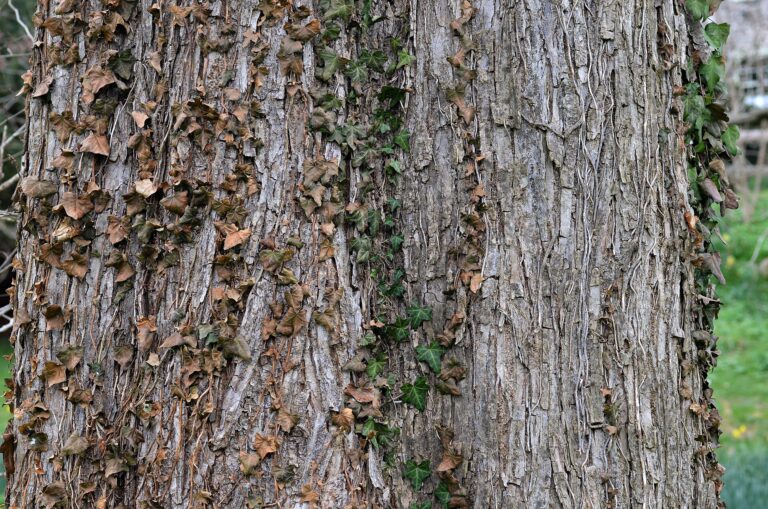
Slippery elm is a North American tree bark that turns silky and gel-like in water, and it's a favourite gentle "soother" in gut-focused routines. Members can read its long history, what the (thin) research shows, and the timing and safety points to know first.
The full guide, with how to use it and the safety notes, is in the Remedies Vault.
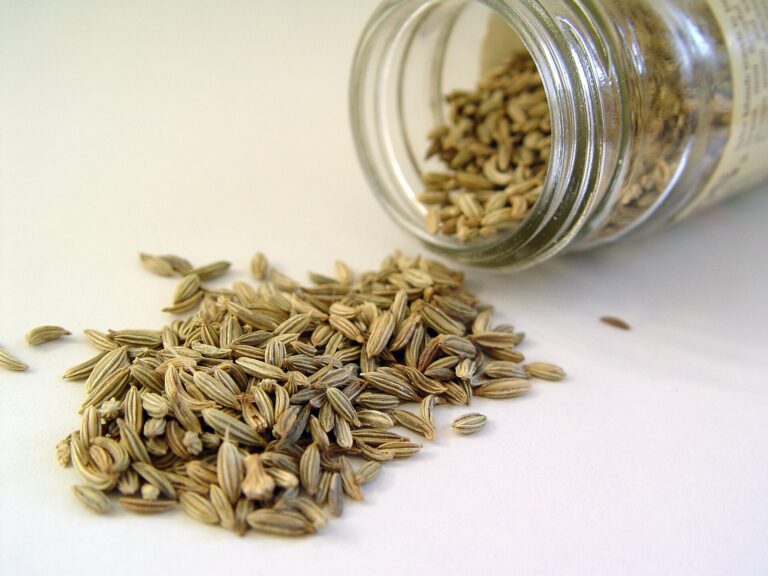
Fennel seed is the sweet, licorice-like seed behind many after-dinner teas, traditionally used to ease bloating and gas. Members can read what the research says, typical amounts from the official European monograph, and who should skip it.
The full guide, with how to use it and the safety notes, is in the Remedies Vault.
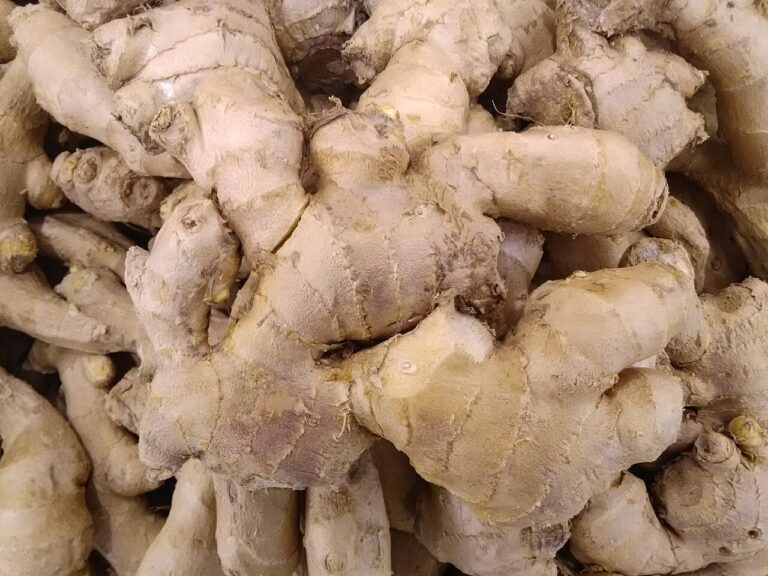
Ayurveda calls dried ginger "the great medicine" and Chinese medicine calls fresh ginger its most important herb for nausea. Here's how each tradition uses it, what the trials found for nausea, period pain and sore joints, and which medicines to check before taking it as a supplement.
The full guide, with how to use it and the safety notes, is in the Remedies Vault.