Fennel
Fennel seed is the sweet, licorice-like seed behind many after-dinner teas, traditionally used to ease bloating and gas. Members can read what the research says, typical amounts from the official European monograph, and who should skip it.
Fennel seed is the sweet, licorice-like seed behind many after-dinner teas, traditionally used to ease bloating and gas. Members can read what the research says, typical amounts from the official European monograph, and who should skip it.
Ginger is the warming, spicy root found in most kitchens, traditionally used to settle the stomach and ease digestion. Members can read what the research says, typical amounts and who should check with a doctor first.
Spirulina is a deep blue-green algae powder that's been eaten as food for centuries, and many detoxers add it to smoothies during heavy-metal and liver routines. Members get the full entry: what the small studies found, typical amounts, and why where your spirulina comes from matters more than almost anything else.
Glutathione is the body's own main antioxidant, and detoxers take it as a supplement to back up the liver's natural clean-up work. Members get the full entry: what the small trials found about whether swallowed glutathione even gets absorbed, typical amounts, and the safety points to know first.
NAC (N-acetylcysteine) is a form of the amino acid cysteine that the body uses to make glutathione, its main built-in antioxidant. Members get the full entry: where the research is strong (and where it isn't), typical amounts, and the drug interactions every NAC user should know.
Artichoke leaf is the bitter green leaf of the globe artichoke, a European digestive herb that people use to support bile flow and the liver. Members get the full entry: what the human studies show, typical amounts from the official European monograph, and who should skip it (especially anyone with gallstones).
Schisandra is a small red berry from Chinese medicine, known as the "five-flavour fruit", and it's one of the traditional liver tonics people add after a cleanse. Members get the full entry: what the small human studies show, how people take it, and the medication interactions to know about first.
Neem is a bitter Indian tree that Ayurveda has used for centuries, and it turns up in many parasite and candida cleanses today. Members get the full entry: what the lab and small human studies show, how people take the leaf, and why neem oil should never be swallowed.
Pau d'arco is a South American tree bark that shows up in many candida and parasite cleanses. Members get the full entry: what the lab studies do and don't show, how people take the tea, and why anyone on a blood thinner should skip it.
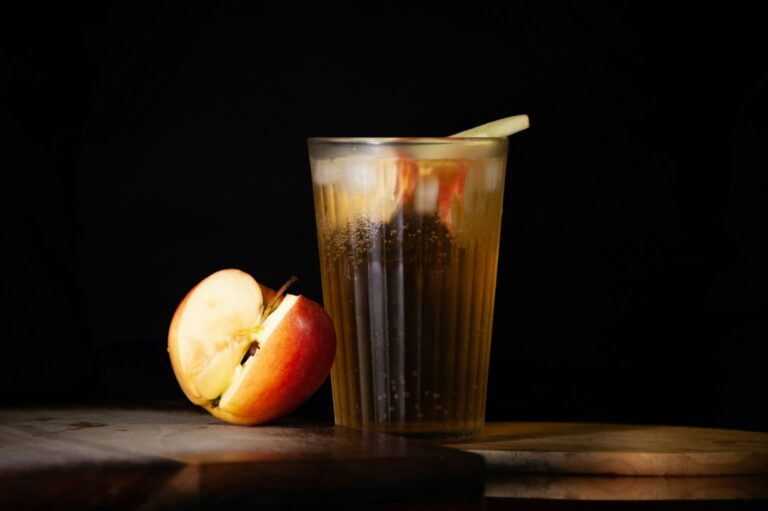
Apple cider vinegar may help a little with after-meal blood sugar, but most big claims lack evidence. What studies show, typical amounts, and how to take it safely.